






Atlantic, Kattegat and Skagerrak opportunities
The European Commission has published its proposal for the catches of fish stocks in the Atlantic Ocean, Kattegat and Skagerrak.
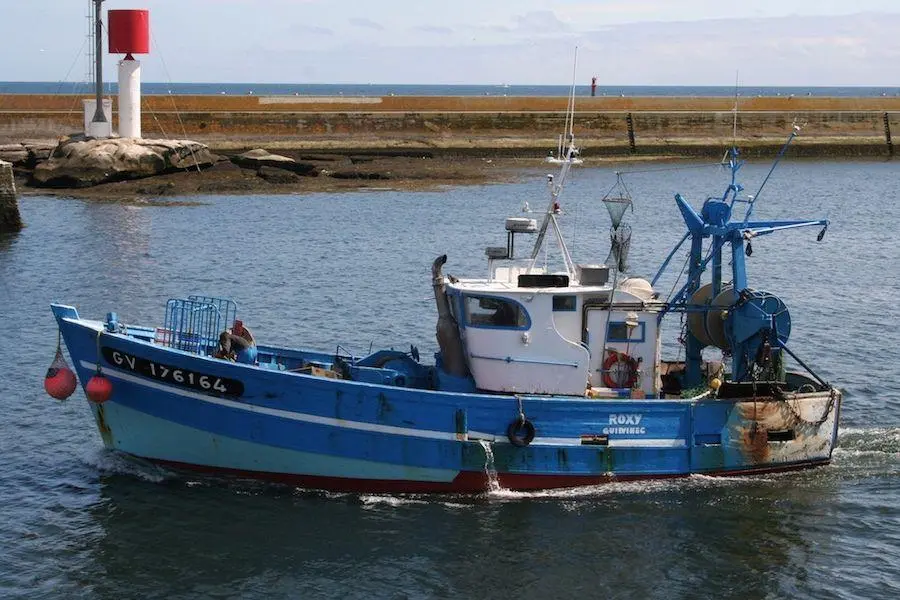
This proposal includes 23 total allowable catches (TACs) for the fish stocks managed solely by the EU in the EU waters of the Atlantic Ocean, Kattegat and Skagerrak.
Virginijus Sinkevičius, commissioner for the Environment, Oceans and Fisheries, said the “proposal is a key milestone in keeping a healthy ecosystem and a profitable fishing sector”.
Decrease for four stocks
Based on scientific advice delivered by the International Council for the Exploration of the Sea (ICES), the Commission proposes a decrease of more than -20% for four stocks: sole in the Bay of Biscay, sole in the west of Ireland, Norway lobster in Skagerrak and Kattegat; and cod in Kattegat. In Kattegat, the Commission proposes to maintain the ban on cod-targeting fishery and keep the by-catch allowance. This is intended to avoid the choking of the sustainable Norway lobster fishery in the area (meaning that the quota is quickly exhausted), as well as the safeguard measure of increased gear selectivity.
The Commission proposes increases for five stocks, including plaice in Kattegat, sole in Kattegat and Skagerrak, megrims in the Iberian waters, anglerfish in the Cantabrian Sea and Norway lobster in parts of the southern Bay of Biscay.
To be updated
The proposal follows scientific advice very closely, with 100% of the TACs (9 stocks) proposed at maximum sustainable yield (MSY) level, for which there is advice available.
The proposal will be updated after the conclusion of the consultations with the UK and Norway, and once the regional fisheries management organisations have taken their decisions.
Based on this proposal, EU fisheries ministers will adopt the final fishing opportunities at the Council on 13-14 December 2021, to apply as of 1 January 2022.
Related Articles
 FISHERIES
 FISHERIES
 FISHERIES