



The fishermen and farmers of Europe were the first high-profile group to take action on fuel prices in what has become a deepening worry for every citizen in the EU.
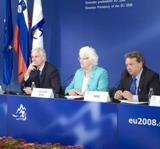
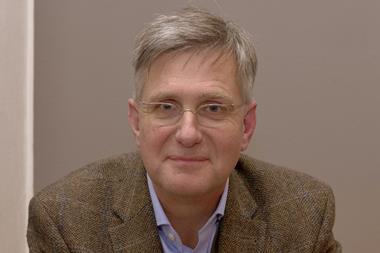
The EU Commission, reports Peter O'Neill, was already struggling over 'subsidy' moves earlier this year by President Sarkozy and his Agriculture and Fisheries minister Michel Barnier [above left]. They promised some fuel and income protection for fishermen. By the time Council President and Slovenia's Iztok Jarc [above right] was hosting the annual Informal meeting of Agriculture and Fisheries ministers in Maribor, Slovenia in May, Barnier and Commissioner Mariann Fischer Boel were sitting in the still eye of a storm of strikes and protests. Barnier would not be drawn by questions from World Fishing about whether he was encouraging governments to follow France's unilateral moves. But by saying other Member States supported France's position (for significant fuel tax regime adjustment and more financial support) he highlighted the quandary facing the EU Commission, which, WF suggested to him, was paralysed.
This is not just about fish. Boel is not in charge of fisheries but her food remit means she and her Commission colleagues have needed to find a way forward. One idea is an emergency food price fund. The world's largest trading bloc has to tackle the oil producers and energy and commodity speculators, all making probably as much money from price increases as the banks are still losing in the sub-prime fallout. Tax-paying, land and sea food producers and their customers are rightly bitter that the banks have been rescued at colossal cost – out of the same taxpayers' pockets.
Truckers have for long played 'find the cheaper diesel' across Europe. This was already an indication why Brussels should at least to harmonise EU fuel prices and at a lower tax level than now. Near-bankruptcy hauliers and fishermen were led to blockade key hubs such as Boulogne-sur-Mer. Chilling industry alerts such as: “Spanish borders are still closed and there is no dispatch from Bordeaux or Boulogne” – became commonplace.
Boulogne is key for cod and whiting from Aarhus, Scandinavian salmon and Scottish and Irish langoustines, all trucked onwards to Warsaw, Berlin, Rome, Madrid and Lisbon. Trucks also feed Europe's sea and air despatch to the Far East and North America. Scottish producers were warned not to risk putting their fish on the road. UK tanker drivers slowed deliveries in support, while fishermen forced crisis meetings with politicians across the EU.
External pressures have also poisoned industry relations. Union leader Thierry Leprêtre, leading Boulogne talks with other EU fishermen, pushed hard for “a standardised fuel price across Europe” and responsible fish quota management. He resigned when a negotiated Barnier package of €150mn for French fishermen lost grassroots' support - ferries and tanker depots were again cut off.
Artisanal fleets may cope because they use less fuel and could charge higher prices, longlining may help trawlers, fishfarmers may up prices to meet dearer fishmeal. But who out there can find and throw the crucial, long-term lifeline?