




Legal change spurs on NZ development
New Zealand’s new legislation has put aquaculture on the same footing as other industries and sets the legal framework needed to support its growth, says New Zealand’s Fisheries and Aquaculture minister Phil Heatley.
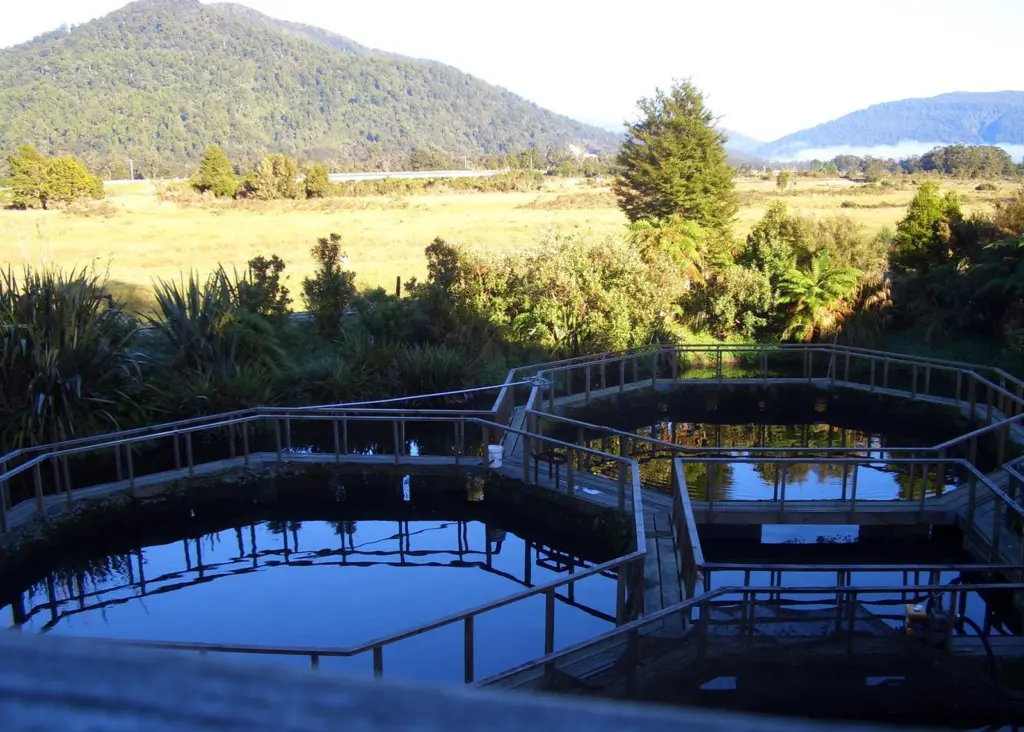
“Aquaculture needs only a small fraction of our coastal space and has the potential to be a $1 billion industry by 2025. This potential was fettered by the unintended consequences of former regulation that saw aquaculture applications held back by moratoria,” said Mr Heatley.
Mr Heatley explained that one of the key aspects of the change is the removal of the requirement for Aquaculture Management Areas, or AMAs, to be established before consent applications can be made. “This will put aquaculture on the same footing as other coastal activities and enable councils to plan for it in a similar way. Removing the requirement for AMAs means a return to aquaculture development going through consents processes under the Resource Management Act.”
The legislation specifically assists aquaculture development in Tasman and Waikato by amending both regional coastal plans to enable applications to farm a wider range of species, including finfish, in areas where aquaculture is already established.
Further, the new act allows companies to apply for resource consent at the same time they apply to change the use of the area. Being able to lodge both applications in parallel will speed up the process.
Rather than apply to the council to permit farming in a ‘zone one’ area (sections which have been subject to more restricted planning than ‘zone two’ areas), companies like King Salmon, a party already very interested making an application, will be able to apply directly to the Environmental Protection Authority. King Salmon wants to increase its water space from about six to 18 hectares. This would allow it to create about eight new salmon farms and double annual production to 15,000 tonnes by 2015.
However, commercial fishermen have expressed concern that areas where they fish may be taken over by marine farms and an independent arbitrator will be established to set compensation for any who will lose the ability to fish their quota.
Mr Heatley is certain that the balance will remain. “These changes will support the aquaculture industry to fulfil its potential while maintaining essential protections for the environment. It balances aquaculture development with other uses of the coastal space,” he concludes.
Related Articles
 FISHERIES
 FISHERIES
 WORLD FISHING EVENTS