

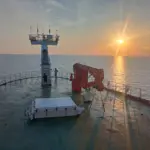




Kiwis show their support for aquaculture
A recent survey carried out by New Zealand’s Ministry for Primary Industries (MPI) revealed that 73% of New Zealanders have positive views of aquaculture and 91% think the country should look for sustainable growth opportunities.
“Aquaculture is the world’s fastest growing primary industry globally. New Zealand aquaculture products (NZ Greenshell Mussels, King Salmon and Pacific Oysters) are currently exported to 79 countries around the world and are highly sought after as premium seafood products”, explained Alice Marfell-Jones, acting director of aquaculture growth and innovation, MPI.
“Aquaculture provides a tremendous opportunity for New Zealand to generate export earnings through the sustainable production of aquaculture products,” she added.
In 2012, the Cabinet approved an aquaculture strategy and a five-year action plan. This recent survey was commissioned in order to support the delivery of this strategy. The MPI says the survey was critical to updating its knowledge base on public perceptions of the industry and the social effects and benefits.
“The government is committed to enabling industry to achieve its goal of NZ$1bn in annual sales by 2025. An essential part of this commitment is to ensure growth takes place within acceptable environmental limits and respects other uses and values of waterways and marine environments. Ongoing community support is vital to achieving this goal,” said Ms Marfell-Jones.
Meanwhile, aquaculture New Zealand chief executive Gary Hooper, said it was encouraging to see the vast majority of New Zealanders supported the industry.
“At the heart of the industry is our people. Marine farmers are hard-working contributors to their respective communities. Their kids go to local schools, they source goods and services from local suppliers and they share the same water space and the same environmental concerns as fellow water users. They fish, dive and boat in the waters around the farms. It’s positive to see this contribution to communities and the commitment to sustainability resonating well with New Zealanders.”
The Ministry says it will now work with communities to improve their understanding of aquaculture, improve the type of information it provides and how it communicates the effects and benefits of aquaculture activities.
“This report gives us good insight into how we can begin to do this,” Ms Marfell-Jones concluded.
Related Articles
 FISHERIES
 FISHERIES
 WORLD FISHING EVENTS