




A new FAO report has found that jellyfish ‘blooms’ could be behind a drop in fish stocks in the Mediterranean and Black Sea.
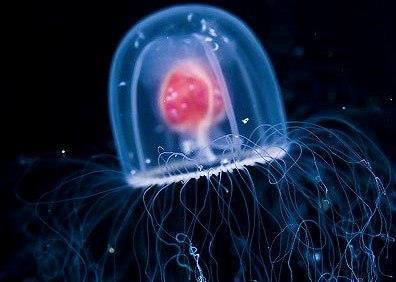
According to the report, Review of Jellyfish Blooms in the Mediterranean and Black Sea, removing top predators from the sea by overfishing is one of the factors behind suddenly increased numbers of jellyfish. Large numbers of medusae then feed on fish larvae and juveniles which further reduces the resilience of fish populations already impacted by overfishing.
Jellyfish can have a high impact on fish eggs and larvae, either directly or by competing for the same food sources, so the report says that they should be considered in any ecosystems-based approach to fisheries management.
The severe effect jellyfish can have on fish stocks was demonstrated in the early 1980s when Mnemiopsis leidyi, a jellyfish species normally resident on the Atlantic, was accidentally introduced into the Black Sea and had such ‘overwhelming’ impact on fish populations that fisheries were put ‘on their knees’.
Jellyfish are now become persistently abundant in almost all the oceans of the world, leading some experts to speak of jellyfish displacing fish.
Although the reasons for the phenomenon are not fully understood, they may also include factors such as global warming; eutrophication; and widespread use of sea walls, which can be an ideal habitat for jellyfish.
The report has a number of suggestions for preventing or coping with jellyfish blooms, including incorporating jellyfish research into fisheries research; developing jellyfish products for food and medicine; the development of rejuvenation products for humans from the ‘immortal jellyfish’ that has been discovered; establishing early warning systems of jellyfish blooms; and reducing overfishing.