

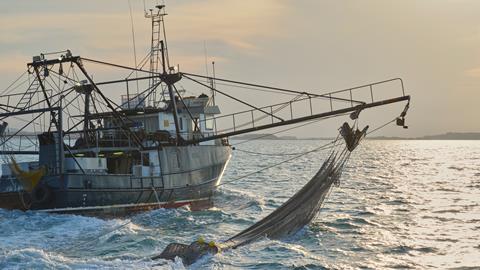
DNA barcoding of more than 1,400 Marine Stewardship Council (MSC) labelled products has shown that fewer than 1% are mislabelled, compared to a reported average of 30%.
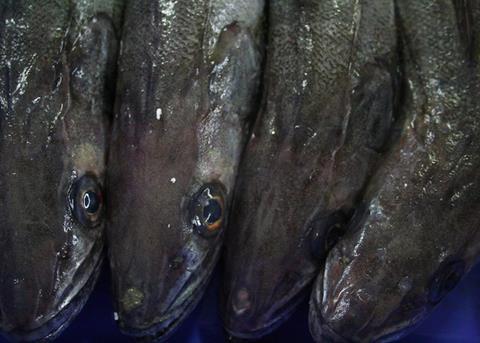
DNA methods have been widely used to detect species mislabelling and a recent meta-analysis of 4,500 seafood product tests found almost a third were not the species stated on the label or menu.
“There is widespread concern over the vulnerability of seafood supply chains to deliberate species mislabelling and fraud,” explained Jaco Barendse from the MSC and lead author of the paper. “In the past, this has included some of the most loved species that are substituted by lower value or less sustainable options, and which can seriously undermine consumer trust and efforts to maintain sustainable fisheries.”
In this present study, the results of which are published in the journal Current Biology, the MSC worked with the TRACE Wildlife Forensics Network and the Science and Advice for Scottish Agriculture Wildlife DNA Forensic unit to identify the species in 1,402 MSC-certified fish products from 18 countries.
They found that 1,389 were labelled correctly representing a total rate of 0.92% species mislabelling in contrast with the global average of 30%.
While DNA testing can identify cases of species substitution, it cannot confirm whether this was fraud. To do this it is necessary to trace the product’s movement back through the supply chain.
The MSC’s Chain of Custody certification requires that every distributor, processor, and retailer trading certified seafood has a documented system that maintains separation between certified and non-certified seafood, and correctly identifies MSC products at every step. Further investigation found that two mislabelled samples were intentional substitutions and the companies involved had their MSC certificates suspended.