





Is trawling driving evolutionary change?
Scientists at the University of Glasgow investigating whether commercial trawling is driving evolutionary change in fish have found that fitter fish are better at evading capture.
They speculate that, over time, this could lead to physiological changes in future fish populations.
Dr Shaun Killen of the Institute of Biodiversity, Animal Health and Comparative Medicine, said, “There is a lot of concern on how overfishing is affecting the abundance of wild fish, consequences for the economy, employment and the ecosystem as a whole. But one aspect that is often overlooked is that intense fishing pressure may cause evolutionary changes to the remaining fish that are not captured.”
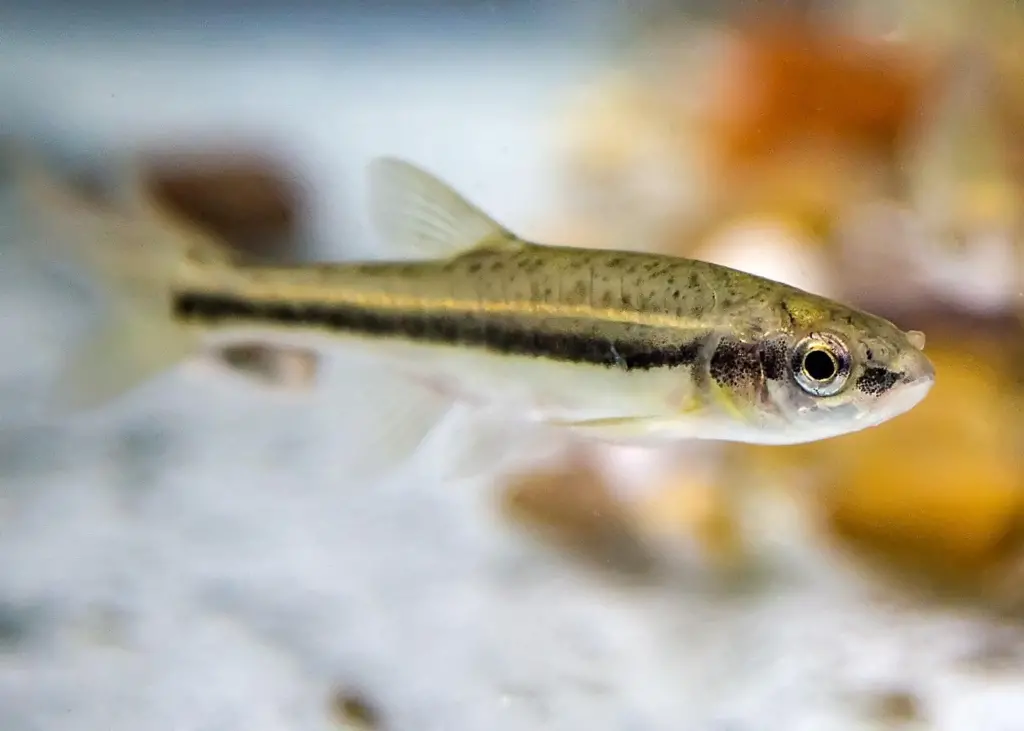
A study led by Dr Killen used simulated trawling with schools of wild minnows. The researchers measured the swimming ability, metabolic rate, and indicators of aerobic and anaerobic physical fitness of 43 individual fish. They then placed them in a tank with a trawling net in a simulation that was repeated several times, enabling the identification of individuals which were more susceptible to capture.
Dr Killen said, “Fish that escape trawling are those that can propel themselves ahead of the net or move around the outside of the net. The key question is whether those that escape are somehow physiologically or behaviourally different than those that are captured. Most trawlers travel at the about same speed as the upper limit of the swim speed of the species they are targeting.”
The results of the simulation revealed that some fish were indeed more susceptible to capture than others and this was strongly related to anaerobic capacity – the ability to engage in short periods of intense physical activity which demands more oxygen than is available from breathing alone.
Maximum aerobic swim speed was also negatively correlated with vulnerability to trawling. Metabolic rate – an indicator of how much energy an animal needs to live – was highest among fish that were least vulnerable to trawling but this relationship probably arose through correlations with anaerobic capacity.
Dr Killen said: “Using simulated trawling, our study provides the first evidence that better swimming fish, and those with higher metabolic rates, are more likely to escape capture. Over time, the selective removal of poor-swimming fish could alter the fundamental physiological makeup of descendant populations that avoid fisheries capture.”
The researchers now want to study fish in the wild to see if they get the same results.
Related Articles
 FISHERIES
 FISHERIES
 WORLD FISHING EVENTS