



IPNLF warning over high levels of dFADs
The International Pole & Line Foundation (IPNLF) says that the number of drifting fish aggregating devices (dFADs) now permitted in the Indian Ocean is dangerously high, undermining the sustainability of tuna fisheries.
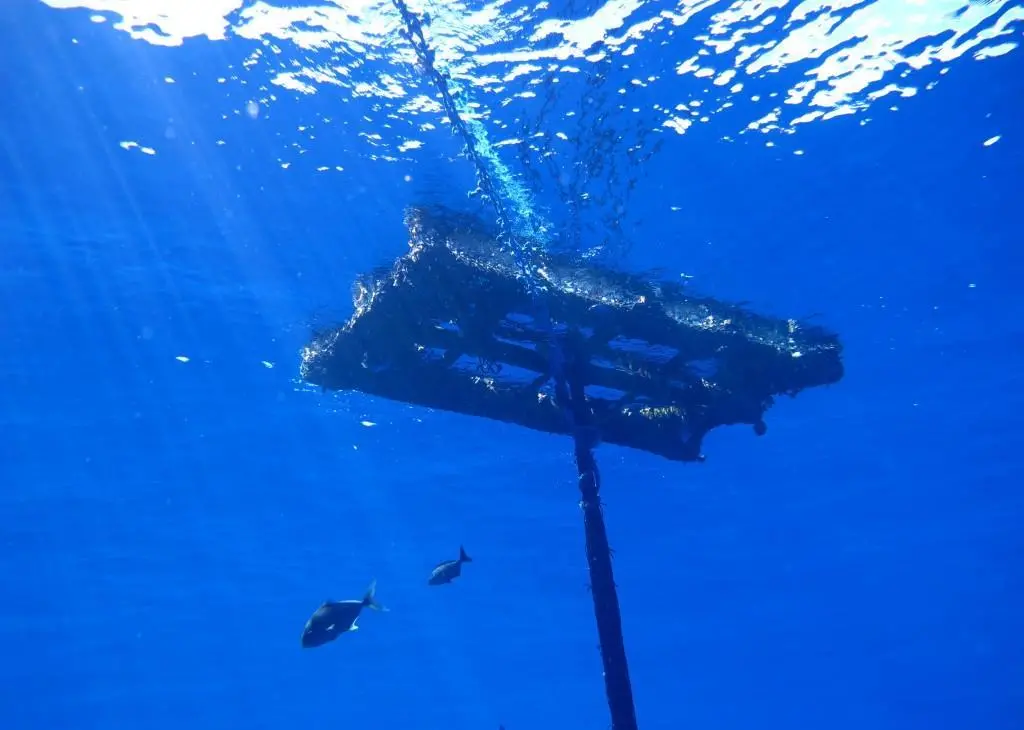
At the 19th Session of the Indian Ocean Tuna Commission (IOTC), held in the Republic of Korea in May, a resolution was passed allowing purse seine vessels to deploy up to 550 dFADs at any one time to target tuna species.
In addition, each vessel is now also allowed to purchase a maximum 1,100 dFADs annually to replace malfunctioning or lost units.
Adam Baske, policy and strategy advisor, IPNLF, said: “This decision by the Commission tips the scales even more in favour of the large, industrialised purse seine fleet reliant on dFADS. The smaller, more sustainable operators will find themselves unable to compete on every level.”
At the most recent meeting of the IOTC Scientific Committee it was stated that at least 10,000 dFADS were being monitored by the EU-purse seiners at any given time in 2013.
However, in the two years since, IPNLF said that an additional 18 large purse seine vessels have entered the fishery. Assuming the new vessels employ a similar fishing strategy, the number of dFADs is now likely in the region of 15,000.
The foundation further estimates that under the newly adopted resolution, a total of 57,200 dFADs with GPS-equipped buoys could potentially be deployed in the Indian Ocean in 2015 – an increase of almost 300%. This figure is based on the current purse seine fleet of 52 vessels, each deploying all 1,100 dFADs.
dFADs are deployed into the open ocean to manufacture and attract tuna schools, thereby allowing purse seine vessels to increase their fishing efficiency.
Related Articles
 FISHERIES
 FISHERIES
 WORLD FISHING EVENTS