



IPNLF publishes baitfish study
Pole-and-line fisheries need 25,000t of baitfish to catch tuna each year, according to a new International Pole & Line Foundation (IPNLF) report.
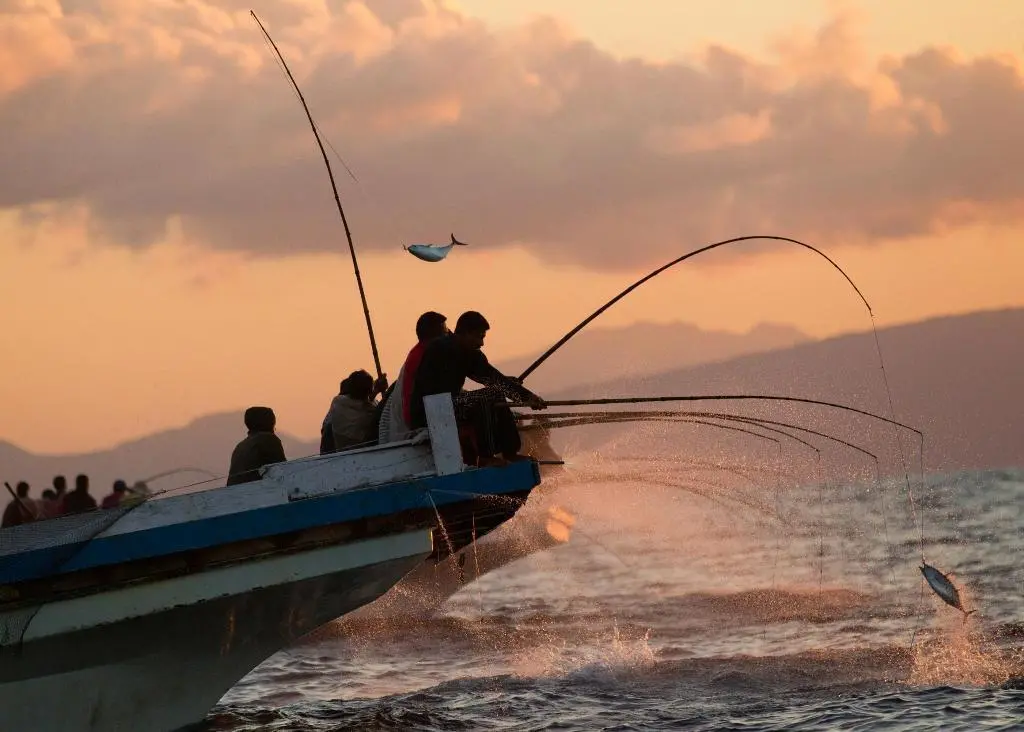
The figure is the first global estimate of baitfish – small fish released into the sea to attract tuna schools within range of a vessel’s fishing gear – used in tuna caught with the pole-and-line method.
The report, Ensuring Sustainability of Livebait Fish, identifies several environmental and social issues associated with fishing for this bait, but in particular the use of juveniles and the complex interactions between live baitfish fisheries and local communities and tourism industries.
The study calls for more research into these impacts. It also argues that improving management in bait fisheries through the introduction of management plans and stock assessments could resolve most of these issues and ensure that pole-and-line remains the most responsible and sustainable way to fish for tuna.
“Pole-and-line fishing is one of the most environmentally and socially desirable methods of catching tuna, but like any method, it isn’t perfect,” said lead author Steve Rocliffe, of the University of York’s Environment Department. “As demand for responsibly sourced tuna grows, it’s vital to ensure that the bait fisheries on which pole-and-line depends are well-managed and regularly assessed.”
“Sustainable live bait fisheries are in everyone’s interests” said Andrew Bassford, co-founder of the IPNLF. “As a priority, we’re developing best practise guidelines for baitfish management plans and providing skill sharing, training and capacity building to improve community and coastal states’ ability to manage baitfish fisheries on a long-term sustainable and equitable basis.”
Related Articles
 FISHERIES
 FISHERIES
 WORLD FISHING EVENTS