




IOTC takes action in Indonesia
Several proposals aimed at enhancing management of tuna fisheries in the Indian Ocean have been adopted at the 21st annual Session of the Indian Ocean Tuna Commission (IOTC).
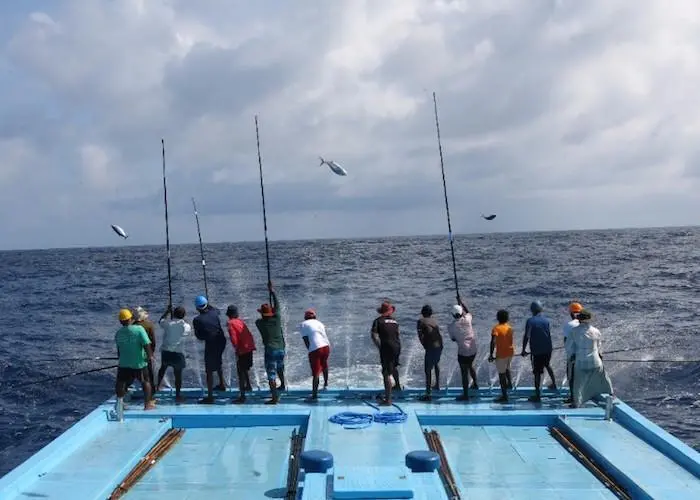
Decision-makers had been considering 16 proposals during week-long negotiations in Yogyakarta, Indonesia in May.
Discussion topics included the allocation of fishing opportunities, with the developing coastal states taking a leading role.
Adam Baske, International Pole and Line Foundation’s (IPNLF) director of policy & outreach, said: Their growing awareness of the threats facing Indian Ocean tuna fisheries and their willingness to work together to safeguard the resources is a very positive sign for the fisheries as well as for the highly vulnerable coastal communities.”
An agreement on a harvest strategy work plan was made in a nod to pressure from NGOs, governments, and companies across the supply chain to implement pre-agreed management procedures for the primary tuna fisheries.
Delegates also highlighted their concerns about the evidence of illegal, unreported and unregulated fishing activities in the Indian Ocean and pledged to take action to fight these activities. IOTC stated that this will help all of the IOTC members to investigate, fine and arrest fishing vessels operating illegally, including those linked to serious and organised crime.
The IOTC agreed to phase out the use of large-scale driftnets in the waters of member states to address the issue of bycatch. This follows ongoing violations of a 1991 UN ban on driftnets longer than 2.5 kilometres on the high seas.
In response to growing concerns about at risk ecosystems and tuna stocks, the IOTC agreed to freeze the current number of supply vessels, and to severely cut their numbers in the next few years. It also agreed to reduce the number of drifting fish aggregating devices (FADs) per vessel from 425 to 350. It added that these measures should help when it comes to rebuilding yellowfin stocks.
Related Articles
 FISHERIES
 FISHERIES
 WORLD FISHING EVENTS