


Investors call for sea change in aquaculture
A new report for investors warns that growth in the aquaculture sector could be undermined by a failure to manage environmental, social and governance risks.
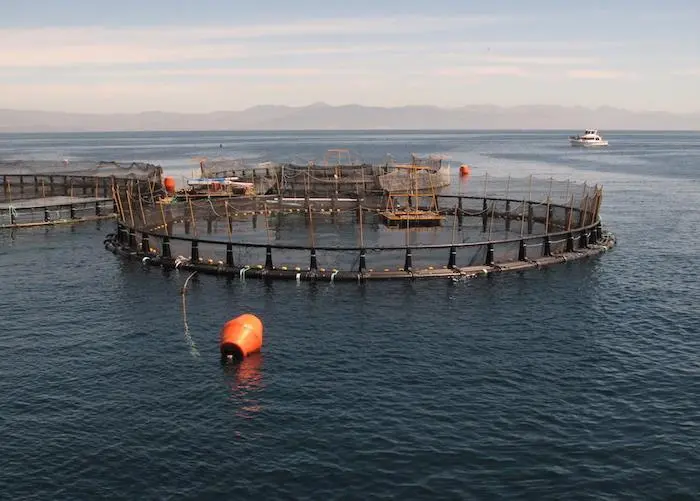
The report Shallow Returns?, produced by collaborative investor network, FAIRR, highlights climate change, dependence on wild fish stocks for feed, excessive use of antibiotics and poor governance as threats to the US$232bn industry.
Marte Siri Storakers, advisor – responsible investments at KLP, said that the aquaculture industry has a compelling growth story to tell. “Average seafood consumption per head has effectively doubled since the 1960s and aquaculture now provides more seafood than fisheries. But investors and business operators need to ensure that any future growth is sustainable and does not endanger either the environment or human health,” she said.
The report highlights annual growth of 6% but warns that much of the growth is based on high-risk farming that is associated with ESG risks including climate change, algal blooms, antibiotic use, fish feed supply and poor governance. Other risks include waste from aquaculture systems reaching the wide environment, farmed fish escaping and mixing with native populations and the on-going battle against disease.
Suggested initiatives to help meet these challenges include using probiotics to reduce antibiotic use, alternatives to fishmeal including feed made from bacteria, algae and insects and innovative start-ups using only plant-based ingredients such as Sophie’s Kitchen, Good Catch Foods and Quorn Foods.
The report can be found at the FAIRR website.
Related Articles
 AQUACULTURE
 AQUACULTURE
 AQUACULTURE