




Intensifying aquaculture in Asia
Six countries in the Asia-Pacific region have come together to draft a work plan on the sustainable intensification of aquaculture for ‘blue growth’.
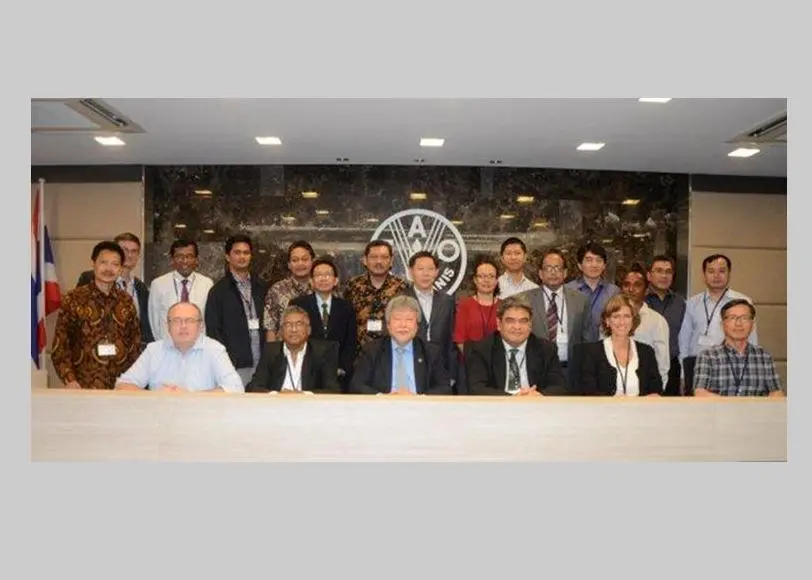
Representatives from the Governments of Bangladesh, Indonesia, Philippines, Sri Lanka, Timor-Leste and Viet Nam are working with Food and Agriculture Organization of the United Nations (FAO) global and regional fishery and aquaculture experts in the development of an FAO regional initiative to enhance production of aquaculture in an environmentally sound and sustainable way.
“Rapid GDP growth and rapid urbanisation in Asia and the Pacific are resulting in a rapid change in dietary habits,” said Hiroyuki Konuma, FAO Assistant Director-General and Regional Representative for Asia and the Pacific. “This has resulted in a growing demand for high-value protein-rich foods like meat and fish.”
FAO predicts that increase in demand will continue well into the foreseeable future as socio-economic changes and increased urbanisation keep pace. In order to keep up, FAO predicts Asian aquaculture production will need to increase by more than 60% to meet the projected consumption demand by 2030 – just to meet the demand in Asia.
The fastest growth in production will likely be species of tilapia, carp, and catfish – all of which are freshwater species in the Asia-Pacific region and produced in considerable quantities.
Aquaculture will provide close to two thirds of global food fish consumption by 2030 as catches from wild capture fisheries level off.
“FAO is supporting each country with its own initiatives in blue growth strategies and workplans,” Mr Konuma said. The plan is to develop workplans and have them in place by March or April next year.
Related Articles
 AQUACULTURE
 AQUACULTURE
 AQUACULTURE