


Industry guide to prevent pirate products
A new industry guide has been issued to help ensure illegal fish, or ‘pirate’ products, is kept out of UK supply chains.
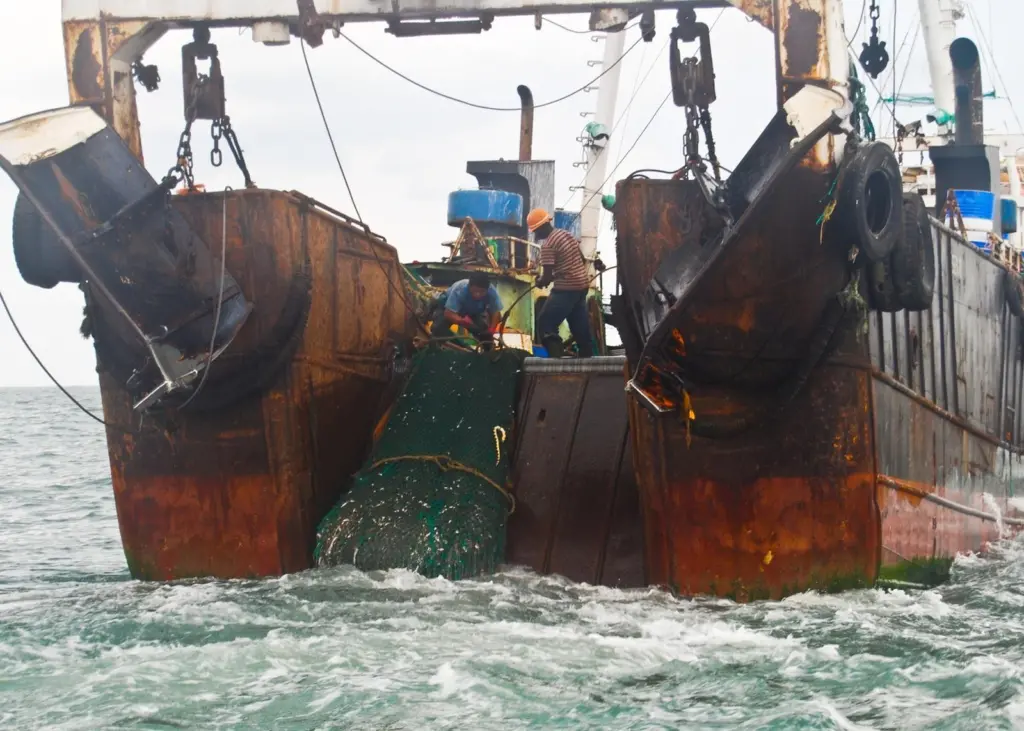
The guide was issued by the British Retail Consortium (BRC), Environmental Justice Foundation (EJF) and WWF-UK to inform UK industry, retailers and brands of the risks associated with Illegal, Unreported and Unregulated (IUU) fishing.
“We urgently need transparency and traceability in the seafood supply chain, and to secure better governance that ensures the protection of our global seas and oceans. The technology and management instruments now exist to do this and, crucially, they are economically feasible,” said Steve Trent, executive director, EJF.
IUU fishing involves methods and practices that violate fisheries laws, regulations or conservation and management measures. Activities can include fishing in restricted areas or during closed seasons, targeting protected or unregulated fish species, using banned fishing methods and fishing without a licence.
According to the guide, it’s a method that equates to a global annual cost of as much as US$23.5bn. In addition, the guide says there is often also a strong link between IUU fishing activities and human rights abuses onboard fishing vessels.
BRC, EJF and WWF-UK say they now want to promote greater understanding and transparency to support global initiatives and policy developments that would further reduce risk of IUU products entering the UK.
As a result, eight key recommendations have been made, including increased transparency and traceability of fish supplies, all large fishing vessels to have a unique identification to enable satellite tracking, improve port controls to prevent influx of ‘pirate’ fish supply and the EU to centrally coordinate a database of fish catches.
“What is needed now is the full engagement of the corporate sector, alongside government and other key stakeholders. In taking these actions it is valuable to recall that pirate fishing vessels are devastating fish stocks and all too often stealing from some of the poorest people on our planet,” added Mr Trent.
Related Articles
 FISHERIES
 FISHERIES
 WORLD FISHING EVENTS