




Even the remotest parts of the ocean appear to offer migratory sharks little refuge from industrialised fishing fleets, according to a study published in the journal Nature.
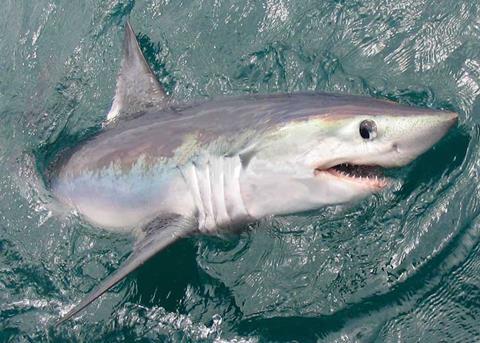
Large sharks inhabiting the open ocean account for over half of all identified shark caught globally in target fisheries or as bycatch. Regional declines of some populations such as shortfin mako shark have led to widespread calls for catch limits in the ‘High Seas’ (areas beyond national jurisdiction) where there is currently little or no management for sharks. Precisely where and how much fishing takes place in these areas remains poorly known
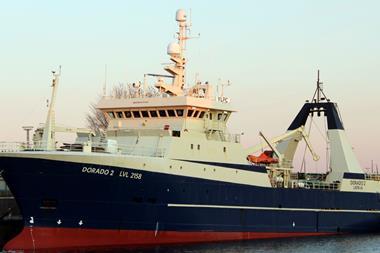
An international team from 26 countries has collated movement data from nearly 2,000 sharks tracked with satellite transmitter tags to reveal hotspots of space use. The team then calculated how much these areas were overlapped by global fleets of large, longline fishing vessels which is the type of fishing gear that catches most pelagic sharks.
They found 24% of the mean monthly space used by sharks falls under the footprint of pelagic longline fisheries, with some species overlapping by as much as 76%.
“Our results show major high seas fishing activities are currently centred on ecologically important shark hotspots worldwide,” said Professor David Sims, who led the study as part of the Global Shark Movement Project based at the Marine Biological Association Laboratory in Plymouth, UK.
The researchers propose that these findings can provide a ‘blueprint’ for deciding where to place large-scale marine protected areas aimed at conserving sharks, in addition to the need for strict quotas to reduce catches elsewhere.