



The International Pole & Line Foundation (IPNLF), has welcomed news that eight Indonesian pole-and-line and handline tuna fisheries are beginning the Marine Stewardship Council (MSC) certification process.
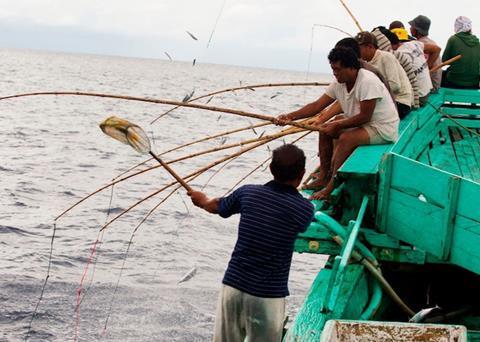
Working in collaboration with local partner, Asosiasi Perikanan Pole & Line dan Handline Indonesia (AP2HI), the foundation commended the highly focused, collaborative endeavours of multiple stakeholders that have enabled these fisheries to reach this important milestone.
Jeremy Crawford, Southeast Asia director of IPNLF, praised the determined efforts of AP2HI members and other stakeholders. “We are pleased to be part of this important process of building value in the local one-by-one tuna supply chain," he said. "Together with our local partners and with the support of the Indonesian Ministry of Marine Affairs and Fisheries, IPNLF has been able to realise significant operational and social improvements.”
The improvement programmes include data collection and monitoring and are often carried out by local observers at sea and portside. These data improvements can inform better decision making, ultimately leading to more effective fisheries management.
The MSC Fisheries Standard uses three core principles against which fisheries are assessed: sustainable fish stocks, minimising environmental impact and effective fisheries management. In addition to operational improvements, the Indonesian fisheries are also implementing tangible social improvements, such as internationally accepted codes of conduct and labour standards.
In June 2018, a joint agreement was signed between MMAF, IPNLF and 14 buyers, brands and retailers to preferentially source MSC-certified one-by-one tuna from Indonesia’s tuna fisheries over non-certified tuna, once these products become available.