



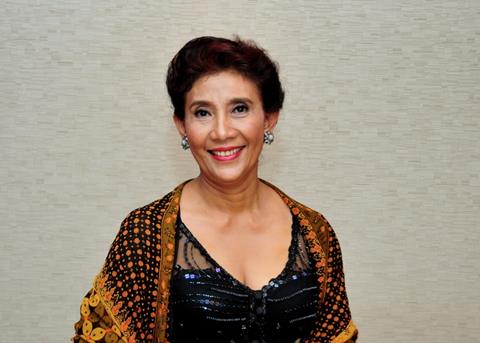
Indonesia’s Minister of Marine Affairs and Fisheries (MMAF), Susi Pudjiastuti, will emphasise the government’s commitment to ending IUU fishing in Indonesian waters and beyond, in her keynote address to the combined 2nd Bali Tuna Conference (BTC) and the 5th International Coastal Tuna Business Forum (ICTBF).
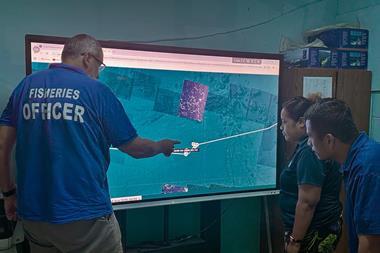
IUU fishing is a huge challenge for MMAF, estimated to involve the illegal capture of 1.5 million tonnes of fishery products and costing the country’s economy billions of dollars annually, while putting stocks, livelihoods and marine habitats in jeopardy. IUU fishing is also associated with human rights crimes and food security risks.
Over the past year, MMAF has embarked on a progressive and forward thinking strategy to tackle IUU fishing and to promote and expand the nation’s fisheries.
“Indonesia has been enacting major reform of its fisheries industry,” said Minister Pudjiastuti. “But the illegal practices that happened in the past have been very serious. At one time, we had 1.6 million fishermen. In the last 10 years, the number has decreased by about half as a result of IUU fishing.”
This year, the 2nd BTC and 5th ICTBF are being combined into a single conference programme, taking place at the Discovery Kartika Plaza Hotel, Bali, Indonesia on 19-20 May.
Delegates will gain insight on many important commercial topics, including international market opportunities and access requirements, human rights and social issues, as well as updates on the progress of the National Plan of Action for Tuna, Skipjack and Neritic Tuna. At the same time, top-level speakers will update regional stakeholders on new regulations, policies and performance.
The event is being supported by the International Pole & Line Foundation (IPNLF), which has been helping MMAF to improve the management and governance of Indonesia’s one-by-one tuna fisheries via collaborative workshops at both the national and regional fisheries management organisation (RFMO) level. Outcomes have included the development of target reference limits, design of catch and effort controls, and the implementation of improved monitoring and compliance systems.