


Scientists from CCMAR (University of the Algarve) and Oceana have found an abundance of litter in the São Vicente submarine canyon, located in the south west of Portugal.
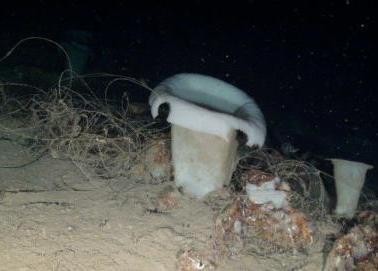
The authors analysed three ROV (remote underwater vehicle) immersions and highlighted the existence of 115 samples of litter, of which the majority was fishing gear. This type of waste does not decompose easily in deep areas and is expected to continue growing.
"Fishing is a very important socio-economic activity in this region. Sadly, what has been observed in the St. Vincent canyon is similar to many other parts of the world where fishing is the main activity: the methods of control and minimisation of losing fishing gear are currently ineffective,” said Frederico Oliveira, CCMAR scientist.
The São Vicente submarine canyon is 12km off the Portuguese coast, in front of Sagres, and is 120km long. The study,
“Practically 9 out of every 10 waste samples discovered in the São Vicente submarine canyon are abandoned lines and nets. This is very worrying because they are manufactured from resistant synthetic materials and the processes of decomposition are very slow at such depths. That’s why, either measures are adopted to avoid the loss of fishing gear or the quantity of litter will continue to increase in the coming years,” asserts Ricardo Aguilar, research director at Oceana in Europe.
Almost a third of all waste documented covered part of the sea bed or directly affected the fauna, with numerous cases of coral, gorgonians, sea urchins and crinoids caught up in lost fishing equipment. Moreover, it stressed how 80.8% of the finds were made in rocky areas. Waste gets caught more easily in these habitats, which house greater diversity because they act as a substratum to which organisms such as coral and sponges get attached.