




The International Maritime Organisation (IMO) has lifted an exemption for fishing vessels from inclusion in a crucial ship identification scheme – a major step forward in the fight against Illegal, Unreported and Unregulated (IUU) or “pirate” fishing.
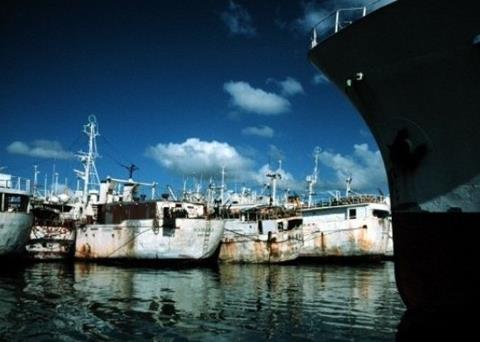
Large-scale fishing vessels (over 100 tonnes) are now required to obtain a unique 7-digit IMO number, which remains with the vessel throughout its life, irrespective of any name, flag or ownership changes.
Welcoming the IMO’s decision, Steve Trent, executive director of the Environmental Justice Foundation (EJF), said the initiative “will drive transparency and traceability in global seafood supply chains, helping to combat pirate fishing operations that cause so much damage to marine biodiversity, undermine legitimate businesses and steal from some of the poorest on our planet”.
“We are now calling on the UN to urgently develop a Global Record of fishing vessels, and the EU to provide crucial international leadership by requiring all EU vessels over 100 tonnes, and foreign vessels exporting to the EU, to have an IMO number. Without this simple, practical and cost-effective step, we won’t be able to prevent illegally-caught fish from entering our markets,” he added.
The identification numbers will help tackle the common problem of vessels using multiple identifies and changing the flags, names and radio signs to avoid detection and sanctions.
At this stage, the scheme is voluntary, but it is expected that some countries will require their vessels to have IMO numbers – the Spanish industry is already calling on all of its fishing vessels to obtain an identification number.
The International Commission for the Conservation of Atlantic Tunas (ICCAT) and the Commission for the Conservation of Antarctic Marine Living Resources (CCAMLR) have also voted to make the numbers mandatory.