


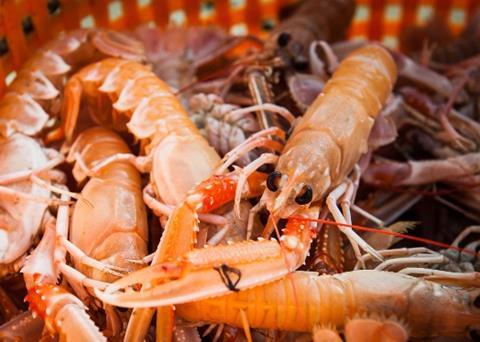
A Swedish lobster fishery has gained a sustainable fishing label through the Marine Stewardship Council (MSC), despite illegal fishing activities being found at the fishery just four months ago.
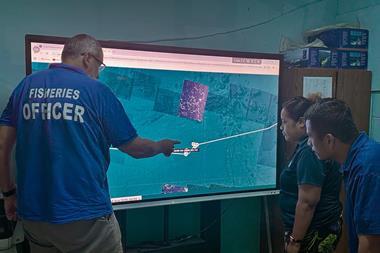
The Citizen Inspector Network of The Black Fish carried out over 100 inspections in Swedish fishing ports last year, including near the Kattegat area of sea between northern Denmark and Sweden, where the fishery in question operates, as part of its ongoing investigations into illegal fishing in European seas.
The Kattegat is home to a number of important spawning areas for cod, which has been heavily overfished in the area over recent decades – so much so that new rules have been put in place by Swedish authorities to ensure it’s caught in the right way. Cod is traditionally caught alongside lobster in some of the Kattegat trawl fisheries, but new rules force fishers to fit special grids in their trawl nets, allowing for the release of adult cod fish swimming into the net, while catching lobsters.
According to one of the inspectors, multiple steel grids were found during the inspections “which weren’t properly attached to the trawl nets, allowing for an opening to be created underneath the grid, so cod could be caught. One net even used chains as weights to open up the net further, making the fitted grid totally useless”.
“On another occasion we observed fishers re-attaching their nets upon return to the port, presumably for the net to meet the requirements during a possible inspection by fisheries officials,” the inspector added.
A number of other illegally modified trawl nets were also found in Swedish fishing ports during the investigations.
Now, products from the lobster fishery bears the MSC label for ‘sustainable fisheries’. The Black Fish has notified the MSC about its findings but the assessment period for the fisheries had already passed.
Annual surveillance audits are carried out but, The Black Fish says it fears these will have little result in uncovering illegal activities, in part because they are publicly announced before they take place.
“Sustainability levels means very little if certifiers are not digging deeper to find out what is really happening in fisheries. Surprise inspections and undercover investigators would be a good start,” Wietse van der Werf, international director the The Black Fish concluded.
Photographic and video evidence collected by the inspectors will not be made public, pending its use in possible legal action.