



The world’s longest running fisheries exhibition, Nor-Fishing, closed its doors in Trondheim in mid-Norway at the end of August. The biennial event celebrated its fiftieth anniversary this year and, as usual, the latest technology for catching and processing fish was on display.
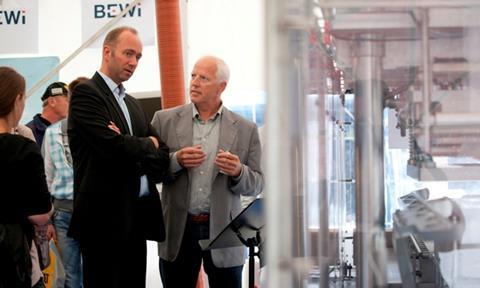
Although more than 50% by value of the seafood produced by Norway is now farmed, Norwegian fishing vessels still go out and catch about 2.5 million tonnes of fish and shellfish annually. So it is hardly surprising that Nor-Fishing is a must-attend event for fisheries professionals from all sectors of the industry. And not just from Norway.
This year, almost 15,000 visitors from 52 countries attended the exhibition, despite the ongoing economic crisis. They saw displays from 464 exhibitors from 26 countries, plus there was a full programme of seminars and presentations.
Not surprisingly the exhibition was dominated by the catching side of the fishing industry, but year by year the number of stands connected with processing have been steadily growing. This again is hardly surprising.
Interviewed before the show, Norway’s minister of fisheries and coastal affairs, Lisbeth Berg-Hansen, bemoaned the fact that her country doesn’t fully process fish once it has been caught.
“We have some of the best resources in the ocean along our coast,” she said. “The problems appear only when we land the catch. We do too little with the fish, and we get too low prices.”
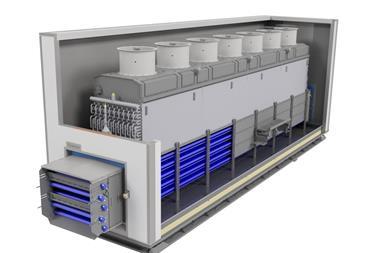
This year, the processing section of Nor-Fishing didn’t increase in size, perhaps because of the uncertain economic outlook, but was on a par with the previous show. Most of the exhibitors were from Scandinavian countries, although Nantong Freezing Equipment Co Ltd from China showed that Asia is becoming a force to be reckoned with in this sector.
Claiming to be the biggest freezing equipment manufacturer in China, the company is seeking to expand its exports and it will be interesting to see how it competes with long established companies in that field in their own backyard!
During the past 50 years, Nor-Fishing has probably become as well known as a forum for the exchange of ideas as it has for its exhibits, and this year was no exception. Of particular interest to processors was the seminar on super cooling organised by the Fishery and Aquaculture Industry Research Fund and the Research Council of Norway.
Super cooling, which could be the preferred method of preservation for fresh fish in the future, according to scientists, involves cooling fish down to about -1.5 deg C. At this temperature, ice crystals start forming in the muscle tissue, and this can improve storage by up to four days compared with normal cooling, while the taste and quality of ordinary fresh fish is maintained.
The technology can also contribute to better yield, more efficient transport and less negative environmental consequences.
As well as focussing on different aspects of super cooling, issues such as energy consumption in the fish processing industry and analyses of quality changes were also covered.
There are some who think that exhibitions have had their day, but processors who attended Nor-Fishing should have come away with plenty to think about for the future.