


Icelandic capelin MSC certified
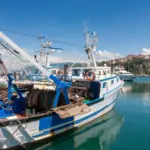
The Iceland Sustainable Fisheries (ISF) capelin fishery is the first capelin fishery in the world to be MSC certified as a sustainable and well-managed fishery.
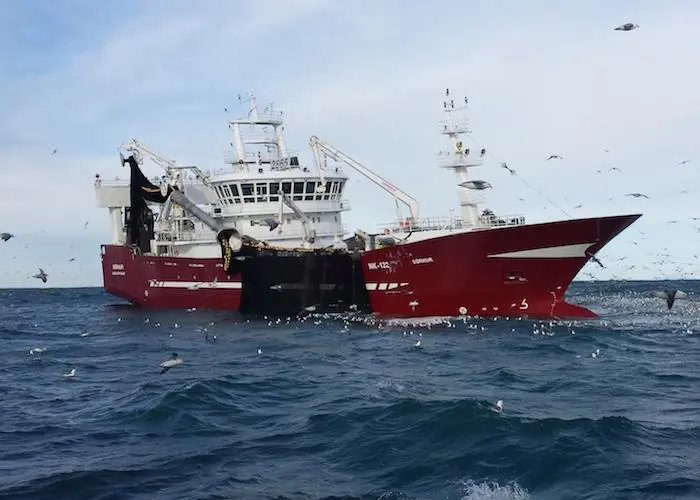
The certification includes Icelandic vessels targeting capelin with pelagic trawl and purse seine in Icelandic waters. The fishing target area is in the Iceland, East Greenland, and Jan Mayen Area within the North-East Atlantic.
“At Iceland Sustainable Fisheries we are extremely pleased with the acknowledgement that the capelin fisheries have been assessed as sustainable,” said Kristinn Hjálmarsson, project manager at ISF. “For decades Icelandic fisheries have been moving strongly towards sustainability, since before sustainability was a word. The simple truth is that the Icelandic economy, the welfare and quality of living is built on the oceans resources.”
Iceland Sustainable Fisheries (ISF) was created to manage the MSC assessments of Iceland’s seafood landings. ISF has already built up an impressive list of MSC certificates including Iceland’s cod, haddock, saithe, ling, golden redfish, lumpfish and two herring fisheries. ISF is a membership organisation and seafood products sold as ‘MSC certified’ need to be sold via ISF members.
“It is a big deal to receive certification under the MSC Standard, it is the current gold standard in sustainable harvesting in our water’s ecology. The Icelandic government and the fisheries have conversed for decades, all paddling for a common goal. All Icelandic fisheries are to be both sustainable and profitable at the same time,” he added.
Capelin is an important commercial fishery for the fishmeal industry, but also supplies whole fish and roe to the global markets, especially in eastern Europe and Japan. The Capelin roes are turned into Masago which is widely used in sushi. There are only two weeks per year when capelin can be frozen for the Japanese market followed by three to four weeks when the roe can be extracted. As a result, the Icelandic capelin is a highly seasonal fishery. Capelin is also a key species in the ecosystem as a feed for larger species and the MSC assessment included close consideration of the species’ pivotal role in the ecosystem. It is the first Atlantic fishery to be certified under the MSC’s requirements for key low-trophic-level species.
“After the collapse of the herring fisheries in the late 1960’s capelin became the most important pelagic fishery in Iceland,” said Gísli Gíslason, MSC’s Senior Programme Manager.
”Today, the pelagic fleet also harvests herring, blue whiting and mackerel. Herring is already certified and the fishery client has now added capelin, while blue whiting and mackerel are in the certification process. Upon successful completion, all of Iceland’s pelagic fisheries will be MSC certified.”
Related Articles
 FISHERIES
 FISHERIES
 WORLD FISHING EVENTS