


Following the inconclusive meeting on the management of mackerel fisheries between Iceland, Norway, Faroe Islands and the EU, Iceland’s chief negotiator and minister of industries and innovation have released statements.

The round of talks took place on 22-24 October in London.
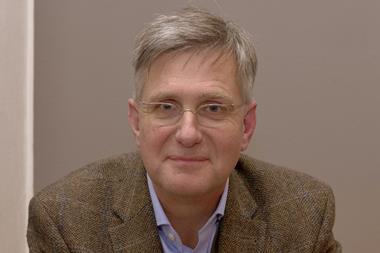
Iceland’s chief negotiator, Sigurgeir Þorgeirsson, said: “Iceland knows only too well that the Coastal States urgently need to reach a solution to the mackerel issue. That is why we started the past three days’ negotiations by suggesting all parties simultaneously put forward new proposals. When this was not agreed and it became clear that no consensus could be reached on the future sharing of mackerel, Iceland recommended, as an interim measure, that the total catch taken by the Coastal States and the Russian Federation for 2013 be reduced in accordance with the scientific advice from ICES. This would result in an overall catch of 542,000 tonnes, a 15% reduction from the 2012 level. This too did not generate consensus.
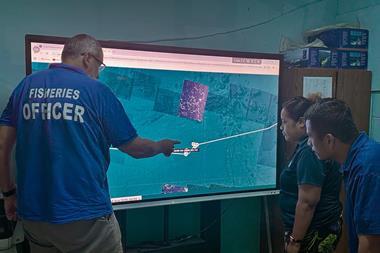
“However, the Coastal States did agree to communicate to ICES the importance of improving scientific assessment of the mackerel stock. Furthermore, it was agreed to strengthen cooperation on monitoring, control and surveillance of all pelagic fisheries in the Northeast Atlantic.”
Steingrímur J. Sigfússon, Iceland’s minister of Industries and Innovation said: “I am disappointed that no agreement has been reached despite proposals from Iceland on a considerable reduction of the catch. We remain willing to negotiate a solution that reduces the mackerel catch for all Coastal States, based on scientific evidence, and ensures a fair share for all while protecting the stock for future generations.
“The Coastal States carry a joint responsibility for preventing overfishing from the stock and ensuring sustainable fisheries. The delay by the Coastal States to reach an agreement, including the re-allocation of quotas, is causing further harm to the mackerel stock and putting all of our economies at risk.
“I welcome the strengthening of cooperation on monitoring, control and surveillance of all pelagic fisheries in the Northeast Atlantic which is something that Iceland has emphasised in all rounds of negotiations. Getting the science right is of vital importance. But even more important is using that science to reach a reasonable agreement that commits all Coastal States to the protection of the mackerel stock.”