




Oceana is calling on the International Commission for the Conservation of Atlantic Tunas (ICCAT) to address the 50% decline in Mediterranean swordfish.
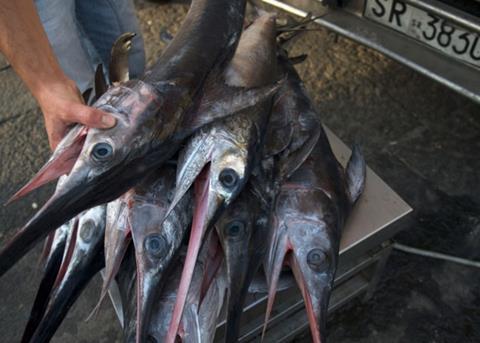
As the 22nd Regular Meeting of ICCAT continues in Istanbul, Turkey this week, Oceana is asking the 48 countries that fish in the Atlantic to put an end to the “take the fish and run” situation it says is plaguing the Mediterranean swordfish fishery, of which juveniles now comprise up to 70%.
Specifically, Oceana is calling on ICCAT to establish a comprehensive management plan for Mediterranean swordfish that includes: 1) catch limits in accordance with scientific advice; 2) a science-based minimum landing size and technical measures to avoid the catch of juveniles; 3) a coherent system of fishing authorisation and scientifically assessed fleet capacity reduction plans; and 4) a penalties system to ensure reporting of data and that illegal driftnet fishing is terminated.
Nearly 13,000 vessels belonging to 13 countries are reported to fish for Mediterranean swordfish, although it is suspected that several additional countries have fisheries but do not report their catches. Unlike North Atlantic swordfish, Oceana says that fisheries managers have largely ignored the situation taking place in the Mediterranean Sea. Illegal fishing for swordfish with driftnets also continues to occur in the Mediterranean, eight years after ICCAT prohibited this type of fishing gear. During the past five years, Oceana has documented illegal driftnet fishing by several countries, including Italy, Morocco and Turkey.
“Mediterranean swordfish cannot wait another ten years for proper management,” said Maria Jose Cornax, fisheries campaign manager at Oceana Europe. “If we have learned anything from the situation of bluefin tuna, it is that if we do not manage the fishery today we may lose it tomorrow.”
Oceana is also urging ICCAT to protect vulnerable shark species and address the bycatch of numerous vulnerable species, including sea turtles, marine mammals and sea birds, that are being caught in these fisheries.