




At the ICCAT annual meeting it was decided to set the 2014 quota for bluefin tuna in the East Atlantic and the Mediterranean at 13,400 tonnes - recognising that early signs of stock recovery have yet to be confirmed by scientific assessments.
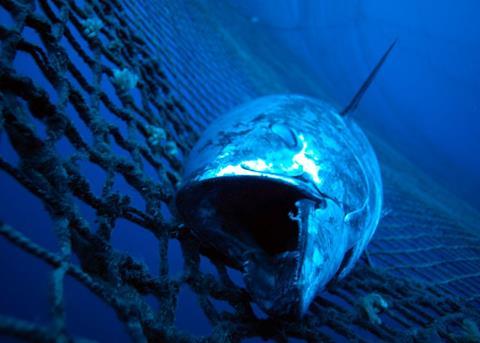
Several countries applied pressure to increase the quotas, but these proposals were finally discarded.
Although this move has been welcomed, Elizabeth Wilson from The Pew Charitable Trusts says that despite clear evidence of continued illegal fishing in the eastern Atlantic bluefin fishery, the electronic bluefin catch document system has been delayed for another year, leaving loopholes wide open for fraud and illegal fishing.
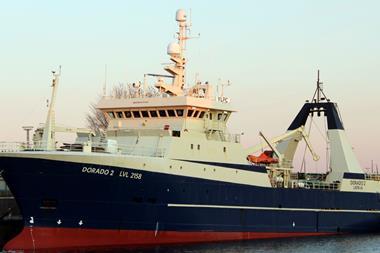
However, ICCAT has mandated that to gain authorisation to fish in its convention area, every large fishing vessel at least 20m long will have to an International Maritime Organization, or IMO, number from 2016. Each number is unique and stays with that vessel until it is scrapped. Requiring IMO numbers will prevent illegal fishers from changing the entire identity of their vessel.
ICCAT has also been criticised by environmental groups for its lack of protection for sharks.
“Unfortunately the governments that are members of ICCAT have failed to limit catches of porbeagle and shortfin mako sharks in the Atlantic Ocean, despite clear scientific advice that overfishing is depleting their populations. It is deeply disappointing that, even after years of debate, these species will not be properly managed even though they are inherently vulnerable”, said Ms Wilson.