



Following recent reports from ICES and HELCOM classifying several species of eel as critically endangered, Oceana says that aside from fishing, hydropower plants are also killing hundreds of thousands of eels every year.
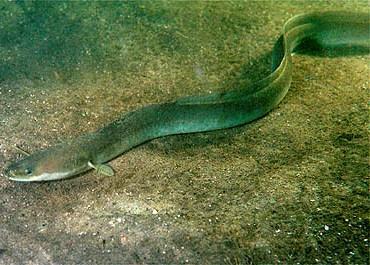
The organisation says that dams supporting hydropower production have made migration in the majority of Sweden’s water streams impossible for fish, and that thousands of dams are permanent migration barriers which have decimated fish populations and forced species out of streams. Despite an EU directive telling countries to alter and enhance the migration routes of the fish, Oceana says that there has not been sufficient action.
Sweden’s department for agricultural science estimates that around 300,000 eels are dying every year by getting chopped to pieces in hydropower turbines or by getting stuck grid intakes.
In the Baltic Sea, one the countermeasure for the decline has been to capture young eels and then place them along the coasts of the Baltic.
“But that’s not a sustainable practice since the young eels need to be taken from somewhere and they are threatened in all of Europe. Furthermore, there is little evidence that these eels make it back to the Sargasso Sea for spawning and reproduction. So essentially, eel stocking is just a way of keeping unsustainable fisheries alive”, says Oceana fisheries expert Magnus Eckeskog.
In Europe eel numbers have declined by at least 95% during the past 30 years. Oceana says that all human activities that affect the eel’s mortality need to come to zero if the species has any chance of survival.