


The Antarctic Ocean Alliance (AOA) is calling on the Conservation of Antarctic Marine Living Resources (CCAMLR) to honour its conservation commitments and agree to “lasting and significant” Southern Ocean protection.
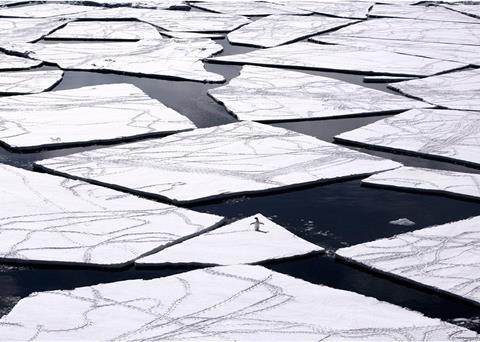
Representatives of the 25 Members of the Commission are meeting this month in Hobart, Australia, to decide the fate of two key protection proposals in the Ross Sea and East Antarctica.
The joint US-NZ proposal to designate a Ross Sea marine protected area (MPA) of 1.32 million km2 is one of those under consideration. Meanwhile, Australia, France and the EU are once again proposing an MPA to protect 1.2 million km2 of East Antarctic waters.
AOA is recommending immediate designation of both proposals rather than risk further erosion.
“During the past three CCAMLR meetings, we have hoped for action on marine protection in Antarctica’s waters, protection that CCAMLR promised to put in place by 2012. Instead we have seen three years of inaction,” said Mark Epstein, executive director of the Antarctic and Southern Ocean Coalition.
He said that the Southern Ocean is home to more than 10,000 unique species including most of the world’s penguins, whales, seabirds, colossal squid and the commercially targeted Antarctic toothfish.
AOA is delivering a report to the CCAMLR 33 meeting called 33 Species We Love and Must Protect, which serves as a symbolic reminder that in order to continue research and discovery in Antarctica many vulnerable and unique species need to be protected.
If agreed upon at the meeting, the proposals to make the Ross Sea and East Antarctica MPAs will create some of the largest MPAs in the world.