




A survey of bottom-dwelling species in the Gulf of Maine helping inform sustainable fisheries management has just completed.
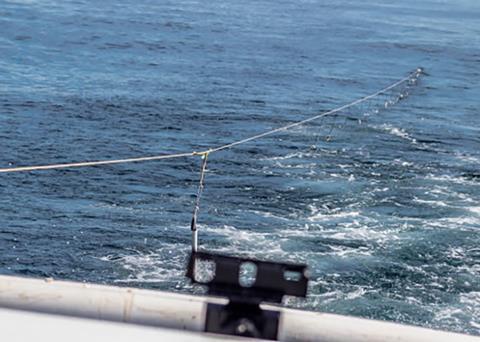
The Gulf of Maine Cooperative Bottom Longline Survey has been conducted from two commercial fishing boats each spring and fall since 2014 by the science centre’s Cooperative Research Branch.
The survey stations are located in areas of rough bottom, places where fish typically hide and are hard to sample with trawl gear. A number of commercially important fish species, including cusk, wolffish and Acadian redfish, prefer these habitats. To keep these fisheries sustainable, managers need accurate stock assessments, which require the data this survey provides.
Environmental conditions are collected by sensors and a one nautical mile long baited longline is set and retrieved allowing scientists to weigh, measure and collect biological samples from the fish that come on board.
As in earlier surveys, spiny dogfish, cusk and haddock were the largest components of the catch. Other species commonly caught included thorny skate, Atlantic cod, barndoor skate, white hake, and red hake. This season 17 Atlantic wolffish and seven Atlantic halibut were also caught; both species are considered ‘data-poor’ in terms of stock assessments.
A tablet-based data collection system to improve data quality was introduced in the autumn 2020 survey and refined in spring 2021 with bug fixes and a new model of motion-compensated digital scales.
The surveys are also helping marine biologist Lindsey Nelson evaluate how best to place hooks and how that varies amongst species and sampling areas.







