




Greenpeace has slammed the refusal of Asian distant water fishing nations Korea, China, Taiwan and Japan to agree effective new measures to urgently halt the decline of tuna stocks at the Western and Central Pacific Fisheries Commission (WCPFC).
Despite strong calls from Pacific Island Countries to limit fishing and widespread support to close two high seas enclaves to purse seine fishing, Japan, Korea and Taiwan blocked any agreement, says the organisation.
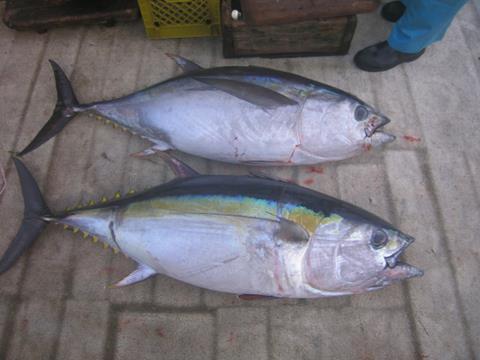
The failure took place on the backdrop of warnings from the scientific community that the catch of bigeye tuna needs to be cut by up to 50% to ensure its survival, and that the current short ban in place for fish aggregating devices (FADs) is insufficient to address bycatch of juvenile bigeye tuna and other marine life. In 2010, only a 10% catch reduction will be implemented on bigeye and a three month ban will be in place on the use of FADs. Both measures fall far short of scientific advice provided to the Commission.
Measures agreed in 2008 to ban purse seine fishing in two large high seas pockets will come into effect in January 2010. In addition eight of the most tuna-rich countries in the Pacific will take unilateral measures to restrict tuna longline fishing in those high seas pockets from January 2010. However, longline fishing vessels that do not hold fishing licenses with those countries can still fish tuna in the high seas areas.
Pirate fishing in the Pacific is estimated to be some of the highest anywhere in the world, and further undermines the stock estimates and management attempts of the fishery. Greenpeace has been calling for the four high seas pockets to be to be designated as marine reserves since 2005, and has undertaken four ship expeditions in the region to gather evidence of the legal and illegal overfishing taking place.