



A Greenpeace East Asia investigation has exposed illegal shark finning, labour and human rights abuses in Taiwan’s distant water tuna fisheries.
It also uncovered Taiwan’s failure to adequately address issues such as murder and drug smuggling at sea.
“These investigations paint a comprehensive picture of an industry in crisis,” said Yen Ning, ocean campaigner at Greenpeace East Asia.
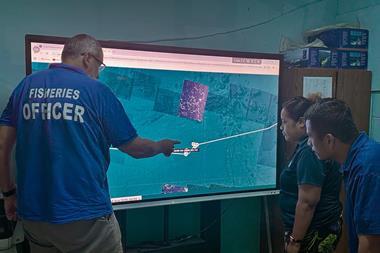
He continued: “Despite talking the talk, Taiwan’s Fisheries Agency appears incapable of monitoring the out-of-control tuna industry. Whether through lack of capacity or otherwise, our investigations reveal devastating impacts on marine life and people’s lives.”
The findings released in the report comes as a yellow card warning from the European Commission is about to expire.
It was issued last October, when Taiwan was given six months to clean up its fisheries or face economic sanctions by the EU.
“The fishing industries of both Taiwan and Thailand have been shown to have human rights problems,” said Mr Ning.
He added: “The murky tuna supply chains of companies like Thai Union have little transparency, which means seafood lovers everywhere may be eating tuna tainted by human exploitation and environmental crime, and they’d never know.”
The Greenpeace East Asia report also explored abusive treatment of foreign crew. Interviews with South East Asian crew members revealed delayed and withheld payments, along with horrendous working conditions and exploitation by recruiting agents.
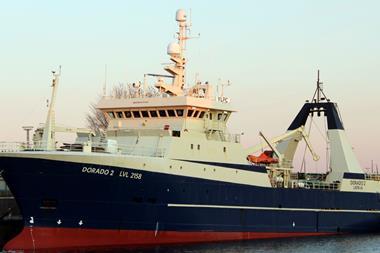
Taiwan owns the most tuna longline vessels worldwide, and Taiwan’s tuna take puts it in the top six Pacific fishing entities.
Taiwanese companies export directly to markets and supply some of the world’s largest seafood companies, including Thailand’s troubled Thai Union Group.
Large amounts of Taiwanese caught tuna are exported to Thailand for processing, where serious labour and human rights violations have been recently exposed. This not only risks further contamination of Taiwanese products, but can also contaminate exports from Thailand.
Mr Ning concluded: “The yellow card should be a wakeup call for Taiwan to reform its fisheries, eliminate human exploitation and environmental abuse, and develop sustainable management of precious marine resources.”
“This isn’t just about trade, it’s about Taiwan’s responsibility to treat workers fairly and to contribute to the ongoing sustainability of our oceans.”