



Greenpeace activists recently blocked a notorious bottom trawling fishing vessel, the Seamount Explorer, from leaving Auckland’s harbour in New Zealand, calling for an end to destructive deep sea bottom trawling.
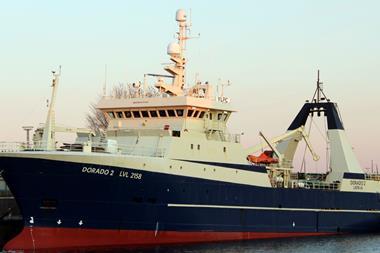
The 45m Seamount Explorer, which has a history of bottom trawling for orange roughy, was blocked by activists in life rafts, who locked themselves to a chain encircling the ship to stop it from leaving port.
Greenpeace called on government and industry to end this destructive practice, previewing the release later this month of a UN review of countries commitments to implement measures designed to protect deep sea habitats.
“Bottom trawling indiscriminately lays waste to everything in its path, including fragile deep sea ecosystems and centuries-old coral. It’s the equivalent to clear-felling our native forests and not nearly enough has been done to protect these vulnerable habitats”, said Farah Obaidullah, Greenpeace International oceans campaigner. “The international community, including New Zealand, has grossly failed to live up to their UN commitment to implement measures protecting high seas marine life,” added Obaidullah.
The 2006 UN resolution that contained measures to protect the deep seas in international waters from destructive bottom fishing was to be implemented by 31 December 2008. Requirements include conducting Environmental Impact Assessments, the need to identify where vulnerable deep sea habitats are and subsequently ensure no bottom fishing happens where these are known or likely to occur.
According to the recent landmark study “Major conservation policy issues for biodiversity in Oceania”, published earlier this month, an end to bottom trawling has been identified as a priority action needed to address the biodiversity crisis facing the region.
The Seamount Explorer uses bottom trawling to target orange roughy, a slow growing long living deep sea fish species that is under serious threat. Already three New Zealand orange roughy fisheries have been fished to collapse and closed - the most recent in 2007.
“Aside from the known environmental devastation caused by bottom trawling, this type of fishing for orange roughy, is now proving to be an economic liability as well,” said Karli Thomas, Greenpeace New Zealand oceans campaigner. ”Governments, industry and retailers alike must take the necessary steps to safeguard our deep sea environment.”