


The long-standing fishing moratorium on southern Grand Banks cod has been extended for at least another three years, member countries of the Northwest Atlantic Fisheries Organisation (NAFO) have decided.
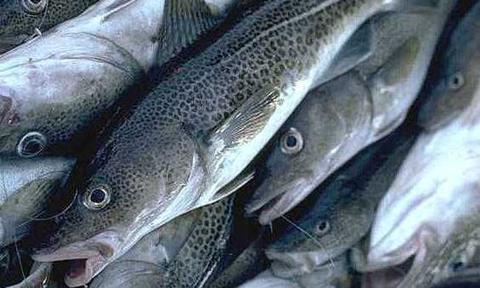
Atlantic cod numbers on the southern Grand Banks are estimated at only about 10% of historical levels, but the 2010 assessment data indicated a significant increase in the number of spawning fish.
Canada took the lead at NAFO by developing a plan to create a robust rebuilding strategy for depleted stocks, including essential elements such as rebuilding targets, timelines, and harvest control rules.
A precautionary approach compliant with the rebuilding strategy will also be developed for American plaice, another stock currently under moratorium.
NAFO also extended protection of a number of seamounts, classified by the UN since 2006 as Vulnerable Marine Ecosystems (VMEs). Seamounts closed to bottom fishing activities until 2014 were Orphan Knoll, Fogo Seamounts 1 and 2, Corner Seamounts, Newfoundland Seamounts, and New England Seamounts.
Grand Banks cod, once the basis of one of the world’s most productive and noted fisheries, have responded slowly to the fishing moratorium introduced 16 years ago.
The NGO, WWF, congratulated NAFO on its progress in meeting international commitments to protect these VMEs, but said a number of other conservation and management measures required by international commitments have not yet been met.
Among other issues not addressed, contracting parties did not agree to undertake standardised impact assessments in all bottom fishing areas, said WWF.
“Standardised impact assessments as specified by FAO guidelines in the entire NAFO regulatory area are an important tool to evaluate and assess the impacts of fishing on vulnerable habitats and species,” said Dr Robert Rangeley, vice-president, WWF-Canada, Atlantic Region.
“NAFO’s Contracting Parties have not met their commitments made under the UN General Assembly resolution 64/72, which does not set a good example for other regional fisheries management organisations.”
NAFO also adopted criteria for its first independent performance review based on the UN Fish Stocks Agreement, giving them the opportunity to increase their transparency and strengthen their conservation measures.