



Gomes da Costa sources mainly skipjack and some yellowfin tuna from the Brazilian pole and line fishery.
The fishermen use a fishing rod (bamboo) and live bait (sardines) which are not put on the hook but simply thrown in the water, as the boats use water showers simulating fish movement. The tuna, attracted and tricked by the movement, bite the hook and get immediately lifted onboard and frozen. The fishing method causes negligible bycatch, mainly dourado (Coryphaena hippurus) and bonito (Auxys thazard), and for this Gomes da Costa has also been certified Dolphin-Safe by the Earth Island Institute.
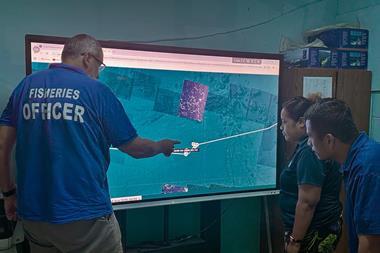
According to the 2008 stock assessment, skipjack stock in the Western Atlantic is not considered to be overexploited, with biomass well above and fishing level well below their levels at Maximum Sustainable Yield. Yellowfin catch levels are also below those at MSY while biomass is estimated to be near ICCAT’s MSY objective. The fishery is compliant with maximum catch limits established by the local authorities. All vessels are monitored by means of VMS program called PREP and need to report on hourly base to the local Special Office for Aquaculture and Fishery. Tilapia or farmed sardines are being tested as alternative to use of small fish for bait.
Gomes da Costa (GDC) is the largest canned tuna and sardine company in Brazil, with a 40% market share, and the second biggest in Argentina. Its brand has been sold for over 50 years and its most sold products are high-quality canned tuna and sardines. It is considered the largest catching and receipt unit in Latin America, producing over 1.2 million cans per day.