



Farmed fish and shellfish production is set to soar between 2010 and 2050 in order to meet projected fish demand worldwide, according to a new report.
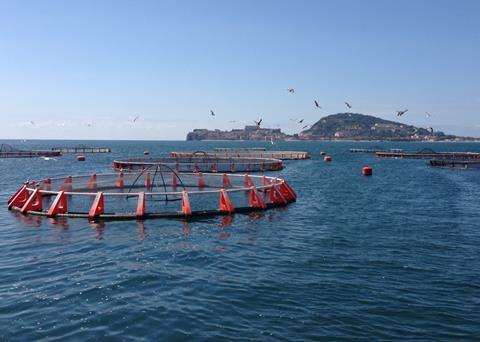
This comes at a time when the global wild fish supply is stagnant and the human population increasing. According to the report by the World Resources Institute (WRI), WorldFish, the World Bank, INRA and Kasetsart University, production needs to increase by 133%. The study finds that although aquaculture’s environmental impacts are likely to rise as production grows, there are a variety of actions producers can take to minimise impacts and encourage sustainable growth of the industry.
“Fish contribute one-sixth of the animal protein people consume, and also contain important micronutrients and omega-3 fatty acids that are often deficient in the diets of the poor. But as with all agricultural production, aquaculture production has environmental impacts,” explained Michael Phillips, director of aquaculture, WorldFish.
“Our future scenario analysis suggests that there are things we can do to reduce aquaculture’s environmental impact while increasing production. If we take action on multiple fronts, we can get aquaculture growth right,” he added.
The report highlights five approaches to grow aquaculture production sustainably through investment in technological innovation and transfers, specifically breeding and hatchery technology, disease control, feeds and nutrition and development of low-impact systems.
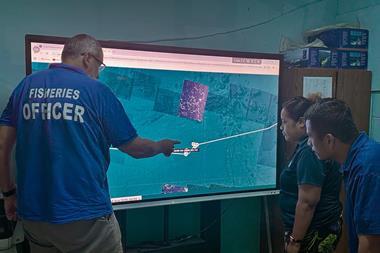
It also covers the use of spatial planning and zoning to reduce impacts on farms, shift incentives to reward sustainability, leverage the latest information technology including satellite and mapping technology, and shift fish consumption toward fish that are low on the food chain such as tilapia, catfish, carp and bivalve molluscs.
As the global wild fish catch has levelled off even while the world population continues to grow, the report highlights how essential it is to get aquaculture growth right – and ensure that fish farming contributes to a sustainable food future.
“We are working for much stronger public-private engagement so that disease and management risks are reduced, improving the ‘inevestability’ of even small, family-run operations. If we get this right, more diverse investors will come in so that we can intensify aquaculture sustainably,” added Randall Brummett, senior aquaculture specialist, World Bank.