



Global brands alongside the Norwegian Fishing Vessel Owners Association, Fiskebåt, Russian fishing giant, Karat and Europe’s largest processor of frozen fish, Espersen, have agreed to halt further expansion of cod fishing into the previously frozen Northern Barents Sea.
The ground-breaking agreement brokered by Greenpeace and encompassing giants such as McDonald’s, Tesco, and Young’s Seafood marks the first time the seafood industry has voluntarily imposed limitations to industrial fishing in the Arctic. This means that any fishing companies expanding into Arctic waters will not be able to sell their cod to major seafood brands and retailers.
Greenpeace campaigner Frida Bengtsson said: ““This voluntary and unprecedented move by the seafood industry highlights the lack of political ambition so far to protect the Arctic. Now it’s up to the Norwegian government to catch up with the companies and protect the Arctic for the long term.”
In March, Greenpeace investigations revealed how the melting Arctic sea ice has made it possible for large, bottom trawlers to venture into previously ice-covered ‘ecologically significant’ areas. The report exposed how global, well-known food brands and retailers buying cod from the Barents Sea risked having their supply chain tainted with Arctic destruction.
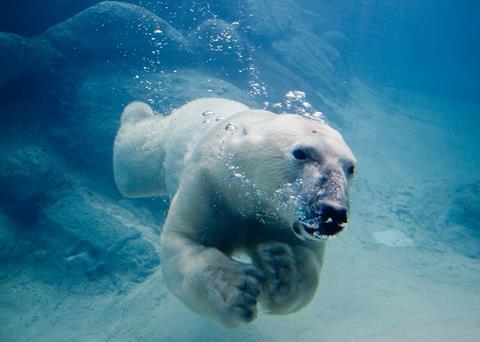
The region, which includes the Svalbard archipelago, also known as the ‘Arctic Galapagos’, is home to vulnerable animals including the polar bear, bowhead whale and Greenland shark. At least 70% of all the Atlantic cod that ends up on dinner plates around the world is from the Barents Sea.
Currently there is no specific law in place to protect Arctic areas that were previously covered by sea ice. The challenge is now on the industry to properly implement this new commitment, and ensure their products are not linked to Arctic destruction, says Greenpeace.
In addition to this ground-breaking commitment Greenpeace is calling on the Norwegian government to protect this truly unique and vulnerable area in the Norwegian Arctic waters and acknowledge the growing resistance to "reckless exploitation" of the fragile Arctic environment, not only from millions of individual people but also from the corporate world.