



A report by the Environmental Justice Foundation warns that illegally caught fish from Ghana could have a clear route to European markets, having identified trawlers licensed to export to the EU but also linked to illegal foreign ownership and illegal activities.
Ghana’s EU Yellow Card was lifted in 2015 when new legislation and a clear fisheries management plan were introduced – but according to EJF, there are indications that these well constructed policies are not being fully implemented or enforced.
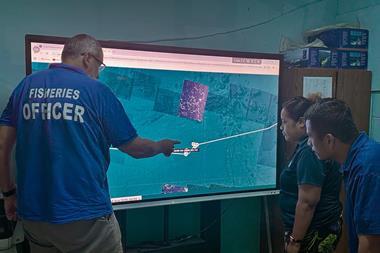
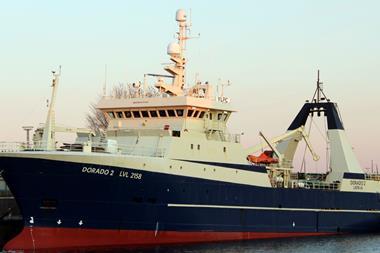
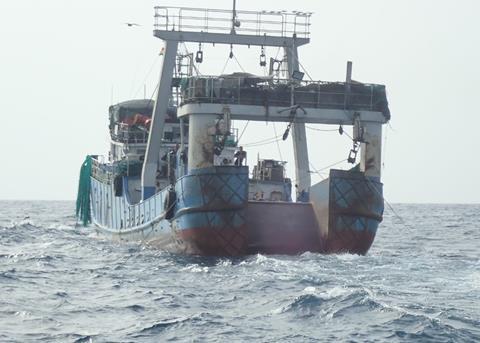
Ghana’s industrial trawl fleet exports between 2000 and 3500 tonnes of cuttlefish, octopus and squid to the EU every year, primarily to Portugal, Italy and Spain, worth around €10 million. While most exports to the EU are tuna, EJF states that the real cause for alarm is the trawl fleet, claiming that the use of satellite monitoring and at-sea observation data, combine with pooling data from other organisations, has allowed EJF to show numerous cases in which trawlers authorised to export to the EU have been involved in illegal activities – including the saiko trade that undermines local fisheries.
EJF’s report states that products are apparently routed via China and imported to the EU as products of Chinese rather than Ghanaian origin, and that nine trawlers flying the Ghanaian flag have appeared in China’s list as authorised to export to the EU under EU health legislation when they should have been in Ghana’s list.
“This could mean that considerably more products from Ghana’s trawl fishery are finding their way to the EU market,” EJF’s spokesperson said, commenting that despite being against Ghanaian law, around 90% of the country’s trawl fleet is linked to Chinese ownership.
EJF has identified two of the trawlers authorised to export to the EU as being registered to a small Ghanaian enterprise set up by a Chinese corporation.
“EJF is calling for the EU to use all tools available under its Regulation to combat IUU fishing to help Ghana bring an end to saiko and improve transparency in its fisheries.” said EJF’s Steve Trent, commenting that EU member states – primarily Portugal, Italy and Spain which receive the majority of imports from Ghana’s trawl fleet, as well as major tuna importers, such as France, Germany, the Netherlands and the UK – should scrutinise seafood imports from Ghana and be alert to possible trade diversions.
“Importers, processors and retailers must also pay close attention to the situation, and examine all supply chains originating in Ghana, particularly from the trawl fleet,” he said.
“The fact that EU consumers may be inadvertently driving or facilitating this dire situation is distressing news. The European Commission can do much to help and encourage Ghana to end this situation once and for all. Full transparency for the fleet in particular is urgently needed.”