

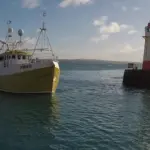




Fraser River salmon fishery eco-label assessment upheld
The findings of an independent adjudicator (IA) in an objection procedure conducted as part of the Fraser River sockeye salmon fishery’s voluntary assessment against the MSC standard have been issued.
The adjudicator, Canadian maritime attorney Wylie Spicer, did not uphold the objections raised by the objecting parties. The certifier will now submit the Final Certification Report to MSC recommending the fishery be certified.
The MSC certification programme contains an objections procedure as a final step in the assessment to provide an orderly, structured, transparent and independent process for review of the certifier’s recommendation if stakeholders challenge the outcome.
In February this year, the David Suzuki Foundation, Skeena Wild Conservation Trust and Watershed Watch Salmon Society, filed an objection over the determination made by TAVEL Certification (now part of Moody Marine Ltd) that the Fraser River salmon fishery should be certified.
These local BC environmental organisations have been closely involved and have contributed valuable input throughout the sockeye salmon assessment.
The IA looks specifically at whether any errors were made by the certifier that would materially affect the outcome in reaching a decision about certification. The IA held a hearing in late May and subsequently reviewed materials submitted by the parties involved. The objections procedure does not re-assess a fishery. The findings are determined by the IA on the basis of materials submitted with no involvement of the MSC.
The Fraser River area is one of four units of certification in the British Columbia (BC) sockeye salmon fishery that sought certification to the MSC standard. The other three units – Skeena River, Nass River and Barkley Sound – were not part of this objection procedure and recently successfully completed certification.
The Fraser River certification includes 17 conditions that must be achieved by the fishery on specified timescales. Among other things, these require that the management agency provides:
• A clear commitment to implement recovery action plans for Cultus and Sakinaw sockeye;
• Evidence that First Nation issues regarding aboriginal and treaty rights have been identified and these issues are being addressed through an effective consultation or negotiation process; and
• A research plan that addresses identified concerns related to the impact of the fishery on the ecosystem, with emphasis on non-target stocks, and takes into consideration socioeconomic factors and anticipated changes to fisheries.
The Fraser River fishery is managed collaboratively by the Fraser River Panel (FRP) – a group comprised of government, First Nations and recreational and commercial interests from both the US and Canada.
The Pacific Salmon Commission (PSC), a body independent of government, provides advice to the Fraser River Panel and to Department of Fisheries and Oceans Canada (DFO) regarding run size, stock identification, timing of returns and migration conditions.
Recently, the Canadian government established a commission to look into the decline of the Fraser River salmon stock. For this fishery, there is uncertainty in the scientific community as to the reasons for low sockeye returns; however, there is general agreement that commercial fishing pressure is not the cause for these declines since breeding stock levels were high in the years that spawned the fish now returning in low numbers (four years previous).
Related Articles
 FISHERIES
 FISHERIES
 WORLD FISHING EVENTS