



Forage fish – affordable and sustainable
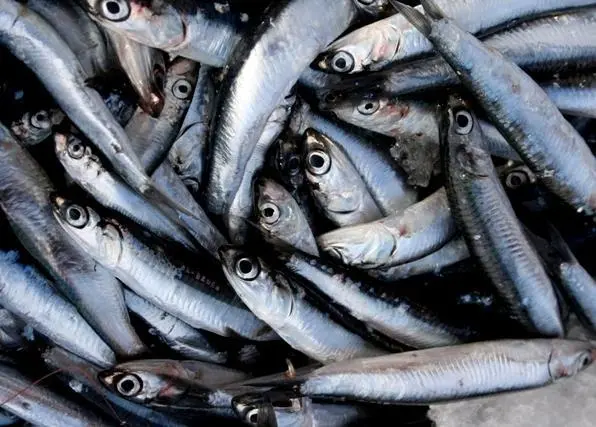
Brazil’s Prof Lauro Madureira has addressed the question of why forage fish, which are a cheap and sustainable source of protein and micronutrients, are not used for direct human consumption.
Her research, which was undertaken in conjunction with the Brazilian Ministry of Fisheries and demonstrated at the World Fisheries Congress, says that school children are the answer.
Forage fish are small marine fish, such as anchovies and have traditionally been used to stock fish farms with about 20 to 30 million tonnes used to produce fishmeal every year. Four million tonnes of which are used in aquaculture to feed carnivorous fish.
This practice has come under fire due to its poor return in food value. Research claims that by feeding the fish direct to humans for consumption eight times as much protein reaches our dinner plates.
Prof Madureira’s identified the problem as getting the public to accept a novel product made from what had previously been termed ‘trash fish’.
However she realised that the answer is school children – large numbers of active and hungry school children without too many preconceived attitudes to the source of their food.
While the anchovy fisheries in the cold waters of southern Brazil could provide a ready and sustainable annual supply of 120,000t of fish, in order to be successful the project’s challenge was to develop a large scale market for these novel food products.
Prof Madureira worked closely with schools in two cities where 35,000 students tasted, and 70% approved the new product, anchovies canned in tomato sauce, served with pasta or pizza. The product is long lasting and can be easily maintained and transported without the need for cold storage.
Projecting this to the national scale, the 120,000t sustainable catch of anchovy could serve four meals per month during the nine months of the school calendar, to every scholar in the Brazilian school meal programme.
The project has demonstrated an alternative to the practice of producing fishmeal from anchovies in Brazil and can be transformed to generate a new long lasting product, with benefits to fishing fleet, producers and consumers.
Related Articles
 FISHERIES
 FISHERIES
 WORLD FISHING EVENTS