





Fishermen back back scheme to protect underwater heritage
Fishermen are playing their part in preserving underwater heritage by voluntarily recording archaeological items found in UK waters.
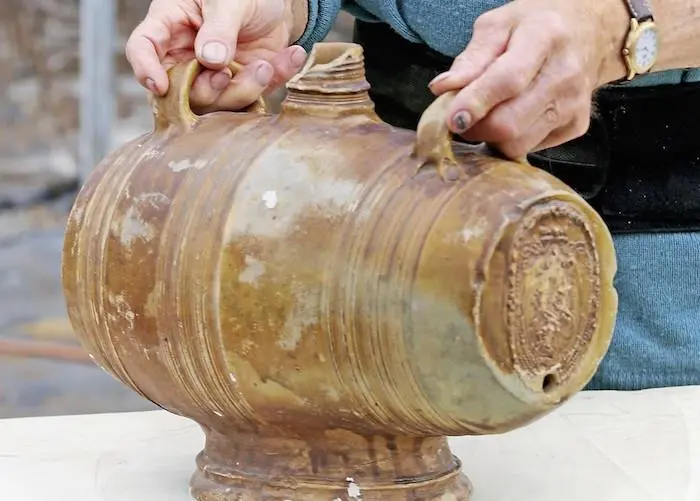
More than 100 archaeological and historical marine finds have been submitted during the first year of the Marine Antiquities Scheme (MAS), ranging from Neolithic flints through to remnants of modern ordnances.
“The positive uptake of the scheme by divers, fishermen and other coastal visitors has delivered a wealth of information which supports our responsible management of the seabed,” said Matthew Clear from The Crown Estate, which funds the scheme.
The Crown Estate funds the MAS as part of its responsible management of the seabed and for the benefit it delivers in helping to derisk future opportunities using the seabed, such as offshore wind and other developments.
MAS is modelled on The British Museum’s Portable Antiquities Scheme (PAS) and managed by Wessex Archaeology.
Central to MAS is a simple-to-use app that makes recording finds easy and gives finders immediate feedback, as well as instructions on their statutory obligations including the need to report wrecks to the Receiver of Wreck.
Following the submission of a new find, a support team of archaeological experts undertake research on each item to learn more about its origins and history. The information is then published on the MAS database, which is accessible to everyone.
To date, the majority of the finds have come from Kent and Essex, reflecting the especially active diving communities in those areas.
While many finds are newly discovered, the scheme also enables those with legacy finds, recovered and reported in previous years, to submit them to the MAS database.
Related Articles
 FISHERIES
 FISHERIES
 WORLD FISHING EVENTS