





The Northeast Atlantic quota sharing saga continues
Despite agreements by coastal states to follow the scientific advice in 2024, the absence of quota sharing arrangements means that the future sustainability of fish stocks in the Northeast Atlantic is still in question.
That’s according to North Atlantic Pelagic Advocacy Group (NAPA), which said that the delegations of the Northeast Atlantic Coastal States – the EU, Iceland, the Faroe Islands, Greenland, Norway and the UK, have been here many times before.
“Setting the TACs for all three stocks in line with ICES advice in 2024 is undoubtedly a positive move – it represents progress in meeting key objectives of NAPA’s trailblazing, policy-based Fishery Improvement Projects as it is a step towards ensuring that robust harvest strategies are adopted and implemented,” said Neil Auchterlonie, project lead, NAPA.
”However, we have been here many times before. Agreements at this stage are no guarantee that the Coastal States will stick to sustainable catch limits when it comes down to it.”
Quota sharing woes
The six states (excluding Russia) have agreed that the total allowable catch (TAC) for all three stocks in 2024 will be set in line with the most recent advice from the International Council for the Exploration of the Sea (ICES), issued in September. The agreement has since been formally ratified by the North East Atlantic Fisheries Commission (NEAFC).
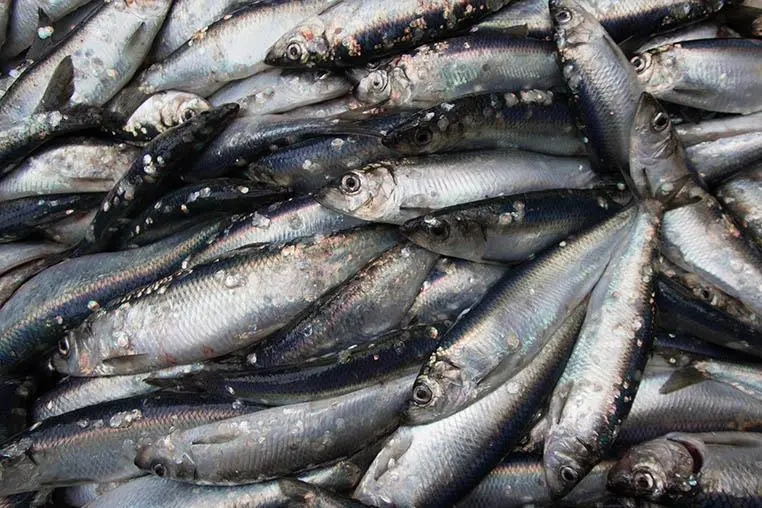
For Northeast Atlantic mackerel, Coastal States agreed to set the TAC at 739,386 tonnes, 5% lower than the TAC agreed for 2023. The blue whiting TAC was set at 1,529,754 tonnes, a 12.5% increase compared to the TAC set for 2023. For Atlanto-Scandian herring, the TAC was agreed at 390,010 tonnes, a sharp decrease of 24% compared to the 2023 TAC.
But Mr Auchterlonie said that despite these agreements, a faulty yet fundamental cog in the coastal states negotiating machine remains unfixed – the parties have not yet decided how these final quotas will be shared amongst them.
”Instead, they’ve chosen to defer these delicate – and crucial – discussions until the new year. This comes too late, with the talks taking place only after the fishing seasons for these stocks have commenced, leaving the fate of these fragile species at risk,” he said.
The sharing of quotas has been a major sticking point in the negotiations for more than a decade, most notably for Northeast Atlantic mackerel – one of Europe’s most valuable, and now political, fish stocks. Agreements on mackerel quota shares broke down in March when the coastal states spectacularly failed to meet their own deadline to agree sustainable catch shares.
NAPA said that the continued failure of coastal states to adhere to sustainable quota levels and the subsequent suspension of Marine Stewardship Council (MSC) certification from these fisheries has significantly reduced the availability of sustainable seafood to consumers.
Talks in January will be critical to ensure the sum of quota shares stays within the bounds of ICES advice.
NAPA warns that failure to do so could jeopardise the long-term sustainability and even the survival of these stocks, the wider marine ecosystem and the business interests of NAPA Partners.
Related Articles
 FISHERIES
 FISHERIES
 FISHERIES