






Firth of Clyde shows signs of recovery
A study by Marine Scotland has found that the Firth of Clyde is demonstrating some signs of recovery.
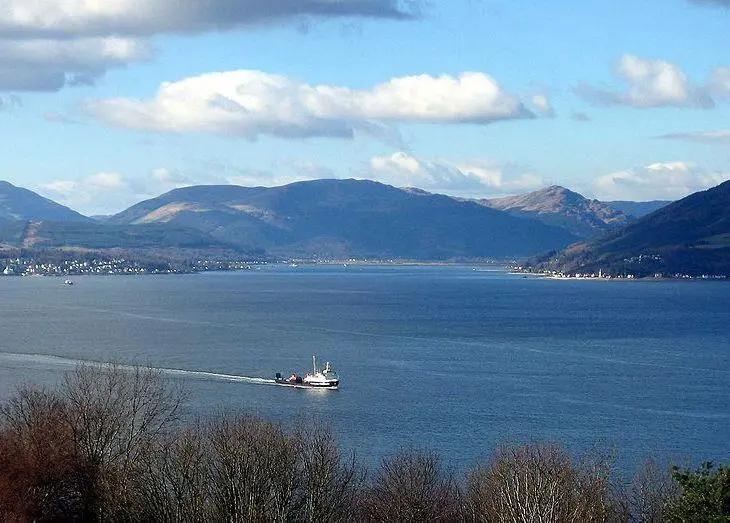
The Firth of Clyde has been a rich and productive fishing ground for Scottish fishermen for hundreds of years, however, intensive fishing in the 20th century has made an impact.
The study identifies that the white fish is now twice as great as in the 1930’s and 1940’s, before intensive trawler fishing left its mark.
The report finds that in the period 1990-2009, the total weight of the key demersal fish in the Clyde was greater than 8,000t, compared to approximately 4,000t or less in the period 1930-1949.
The report also shows that the Firth of Clyde ecosystem has been altered by fishing, resulting in many smaller fish – particularly young whiting – and a lack of larger predator species.
Fisheries Secretary Richard Lochhead said, “What this report indicates is that with careful, collective management it may be possible to improve biodiversity and nurture the Firth back to a more diverse fishery, able to support mature fish stocks that can be sustainably harvested. This certainly casts doubts on assertions made about the state of the Clyde, implying recovery was not possible.
“In the coming months we will engage widely – including with conservation bodies, fishermen and local communities – to agree on our shared vision for the future of the Clyde, and how we can ensure the Clyde once again sustainably meets the needs and aspirations of those who live and work in the area.”
Related Articles
 FISHERIES
 FISHERIES
 WORLD FISHING EVENTS