





First study on freshwater mussel stocks in 26 European countries
Scientists from 26 European countries have compiled the first comprehensive survey on the status quo of freshwater mussel species in Europe.
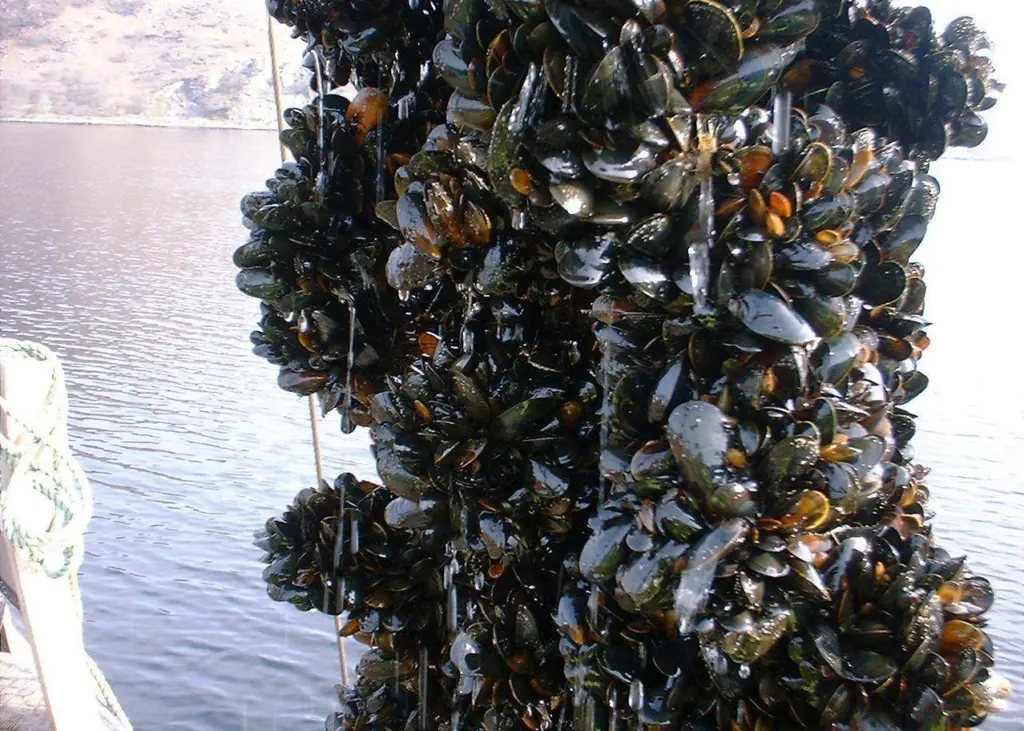
The project was coordinated by Technical University of Munich Professor Jürgen Geist and two colleagues from Porto, and means that recommendations for the future protection of the species can now be provided.
Professor Geist, said: “One result of the Europe-wide study is the extent of the gap between north and south. There are fewer species in the north of Europe, for example Scandinavia, but the populations there are bigger.”
A catalogue of the 16 freshwater mussel species found throughout Europe will now be published for the first time in the journal Biological Reviews.
“If a mussel population dies out in just one location in the south, this can represent half of the global population,” added the TUM scientist.
Mussels are among the most endangered species in the world. Very little was known about the status quo of mussel fauna up to now, as there was no information available on the stock sizes of this underwater organism.
When the hard-shelled animals keep a body of water clean, more invertebrate organisms tend to join them there. Due to their crucial role in the aquatic habitat, the extinction of these small natural treatment plants in rivers and lakes would have serious impacts on the aquatic habitat.
“Because a single mussel filters up to 40l of water per day, we humans also benefit from the ecosystem services provided by mussels,” continued Professor Geist.
Scientists established that less demanding mussel species can spread more successfully, as they can survive in different water bodies and quickly adapt to changes in the water quality.
Similarly, like people, some species prefer warmer, stiller waters while other mussel strains are more tolerant and can survive just as well in cold rivers and streams as in lakes.
To ensure existence and stability of mussels, the authors of the study recommend that detailed scientific plans with defined objectives be compiled.
Professor Geist, concluded: “Because a mussel is highly dependent on its fish host and these are in decline, particular attention should be paid to the fish stocks, even if some of these fish species do not have any particular economic value.”
Related Articles
 FISHERIES
 FISHERIES
 WORLD FISHING EVENTS