


The British Columbia, Canada, spiny dogfish fishery has received Marine Stewardship Council (MSC) certification as a sustainable fishery.
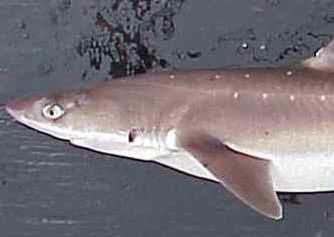
The fishery was entered into assessment by the BC Dogfish Hook & Line Industry Association, an organisation representing more than 90% of the vessels fishing dogfish and all processors that convert the fish into market ready products.
The spiny dogfish fishery is managed within the precautionary framework of the Department of Fisheries and Oceans Canada (DFO). DFO Canada sets the annual total allowable catch levels based upon the long-term average yield of the fishery. Catch levels over the last 20 years have been approximately 3,000t annually, which is below the annual allowable catch. Reviews conducted in 2009 concluded that spiny dogfish stock levels are stable and that current catch levels were unlikely to cause harmful stock declines. In 2011, DFO Canada set an even lower allowable catch, as a further precautionary measure.
The assessment team concluded that the bottom longlines used in the certified fishery resulted in a selective fishery with more than 90% of catch weight made up of the target species. Although the fishery encounters a broad range of other species, including some endangered, threatened and protected (ETP) species, the numbers encountered are very low and survival rates high. Catches are monitored by a sophisticated monitoring system that combines onboard cameras which record all catch, logbooks that are maintained by the fishing boat captains, and audits of the system that are conducted by independent auditors.
The assessment further found that the bottom longlines used by the fishery have a relatively low impact on the seabed and that the fishery was unlikely to have a significant impact upon the coastal habitat.
The assessment team also identified some areas for improvement. As a result, in each of two areas where fishing occurs, the same three improvement actions are required to be carried out during the five year period of certification. They are, 1: An analytical stock assessment has to be developed, implemented and accepted by the management authority. 2: There has to be evidence for successful implementation of a comprehensive sixgill shark management plan. 3: A research plan has to be developed, implemented and updated to inform management.