




First Portuguese fishery earns MSC certification for sustainability
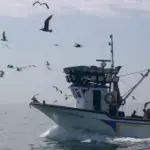
The Portuguese purse seine sardine fishery has been awarded Marine Stewardship Council (MSC) certification as a sustainable and well-managed fishery, becoming the first Portuguese fishery to be certified under the international programme.
The Portuguese Association of Purse Seine Producer Organisations (ANOPCERCO) is now eligible to sell its catch – which represents 95% of the country’s sardine production (well over 50,000mt annually) – with the internationally recognised blue MSC ecolabel. The certificate covers all of the association’s larger coastal vessels (over 9m long) whose main activity is purse seining.
Humberto Jorge, non executive President of the ANOPCERCO commented: “Our experience over the past 17 months has been extremely positive. The MSC assessment process has allowed us to reopen the debate on the sustainable management of fishery resources not only within the fishing industry, but also externally. Fishers and commercial partners have shown a keen interest throughout the process. They have understood what is at stake and how they can benefit from MSC certification. It is a win-win situation for all of us. The MSC gives us the chance to show the world how committed to sustainability we are. The credibility of the fishing sector as a whole will benefit from this MSC certification and it will, we hope, contribute to raising awareness among Portuguese consumers that the choices they make in the marketplace have an impact upon the future of the world’s oceans.”
The sardine fishery is one of the oldest on the Iberian Peninsula and fishing takes place within the inner continental shelf off mainland Portugal (usually at depths of 15-70m). The three most important landing harbours – Matosinhos, Peniche and Figueira da Foz – are all located north of Lisbon.
Annual sardine landings of over 50,000mt have been recorded for over a century, peaking in the 1960s with more than 300 fishing vessels landings in excess of 150,000 mt. Since then landings have reduced, averaging 64,600mt in the period 1998-2007. Recent years have seen the introduction of limits on fishing effort with a consequent gradual reduction in the size of the fleet to the current figure of about 130 purse seiners.
Related Articles
 FISHERIES
 FISHERIES
 WORLD FISHING EVENTS