




First GM oilseed crop to produce omega-3 fish oils
Progress is being made in finding alternative sources of omega-3 fish oils with genetically engineered Camelina oilseed plants, developed by scientists at UK-based Rothamsted Research.
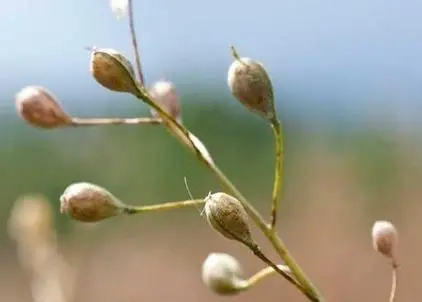
The first year results of the field-scale trial of the plants, which are modified to produce non-native EPA and DHA by introducing a set of seven synthetic genes based on the DNA sequences found in photosynthetic marine organisms, have been released.
“Finding a land-based source of feedstocks containing omega-3 fish oils has long been an urgent priority for truly sustainable aquaculture,” said Dr Olga Savanova, senior Rothamsted researcher who developed the GM Camelina plants.
This comes at a time when fish farming continues to grow, with over half of the fish consumed worldwide coming from aquaculture. As the production of fish through aquaculture increases so does the need to find alternative sources of omega-3 fish oils.
“Our results give hope that oilseed crops grown on land can contribute to improving the sustainability of the fish farming industry and the marine environment in the future,” she added.
Although previous experiments had given positive indications for the performance of this trait, this trial demonstrates the stability of the trait and the ability of the GM Camelina plants to synthesise useful quantities of fish oils without any negative effects on yield.
Researchers say monitoring of the plants grown in the field showed no obvious phenotypic differences in the growth, flowering or seed-set of the GM Camelina plants when compared to the non-GM control plants.
“The omega-3 fish oil trait that we have developed is probably the most complex example of plant genetic engineering to be tested in the field. This is a globally-significant proof of concept and a landmark moment in the effort to develop truly sustainable sources of feed for fish farms,” concluded Professor Johnathan Napier, leading the GM Camelina programme at Rothamsted Research.
The field trial conducted at Rothamsted Research’s experimental farm continues this year. In the field this year two GM Camelina lines are sown as well as the non-GM controls. One line is the same as the one described in the current publication making EPA and DHA. The second one is a GM Camelina line that makes only EPA. Analyses and comparisons will be carried out between the two lines.
Related Articles
 FISHERIES
 FISHERIES
 WORLD FISHING EVENTS