




The Faroese government says it will not tolerate the disruption of the pilot whale drive in the Faroe Islands, which it says is a legal, fully regulated and sustainable use of an abundant natural resource.
This comes on the back of action from the Sea Shepherd Conservation Society, who recently attempted to disrupt a whale drive in the bay of Sandur on the island of Sandoy, both on shore and in the water.
During the intervention, fourteen activists were detained and released to face hearings in the Court of the Faroe Islands for breaches of the whaling regulations. Vessels used in the incident were confiscated, pending further legal proceedings.
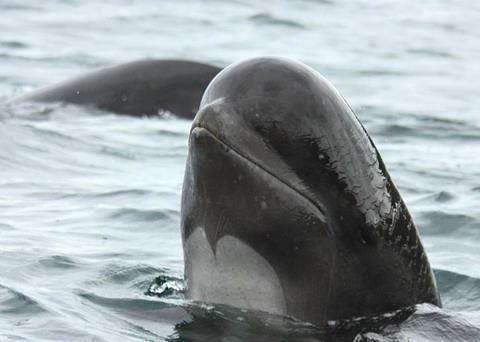
Despite the problems, the group of 33 whales was eventually beached at Sandur and killed swiftly in accordance with whaling regulations. As per the custom, the meat and blubber was shared free to the local residents and participants in the drive.
The pilot whale drive in the Faroe Islands has well documented annual records of catches dating back to 1584. It has a long-term average take of around 800 whales a year from a population estimated to be at around 128,000 in the Faroe-Iceland survey area.
A statement from the Prime Minister’s office published online said that Pilot whales in Faroese waters continue to provide a valued source of food for the nation.
It warned that “illegal and potentially dangerous actions” by the Sea Shepherd Conservation Society, who it said has aggressively targeted the Faroes and other countries for decades, will not be tolerated.