





The UN Food and Agriculture Organization (FAO) is calling for prompt and sustainable action to help rebuild fishing livelihoods in the Philippines following Typhoon Haiyan.
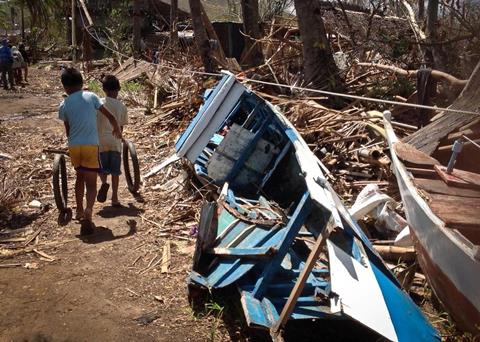
It says that the Philippines fisheries and aquaculture sectors face an uncertain future with tens of thousands of small boats and fishing gear being damaged or destroyed in the disaster.
“Even though we still only have a partial picture, it is clear that the damage caused to the fisheries sector is immense and spans the entire value chain, from catch to market,” said Rodrigue Vinet, acting FAO representative in the Philippines.
The typhoon flattened crucial infrastructure including jetties and landing ports, onshore ice and cold storage facilities, boat repair and maintenance facilities, processing factories and markets.
Key aquaculture infrastructure was also destroyed including oyster rafts, crab, shrimp and mussel farms, as well as inland tilapia cages, hatcheries and fish ponds.
Around 16,500 seaweed farmers, mostly women, also lost their livelihoods in the disaster.
Economic losses are still being quantified, but the Philippines Bureau of Fisheries and Aquatic Resources says that the worst-hit regions - Eastern, Central and Western Visayas and Mimaropa - are both major producers in both aquaculture and fisheries.
In 2011, marine and inland fisheries in these affected regions supplied 21%, or 514,492 tonnes, of the total output from the Philippines’ municipal and commercial fisheries combined.
Aquaculture, including seaweed, from the four regions is responsible for 33% of total national aquaculture production.
The FAO says that boats need to be rebuilt and equipment replaced, but this needs to be done in a coordinated manner to ensure that existing fishing capacity is not exceeded. It says that an initial cost of US$5m is needed to begin the recovery efforts.







