


Europeche expresses concerns over bottom trawling restrictions
Members of Europêche have expressed their concerns over the current negotiations regarding possible restrictions on bottom trawling in the deep sea.
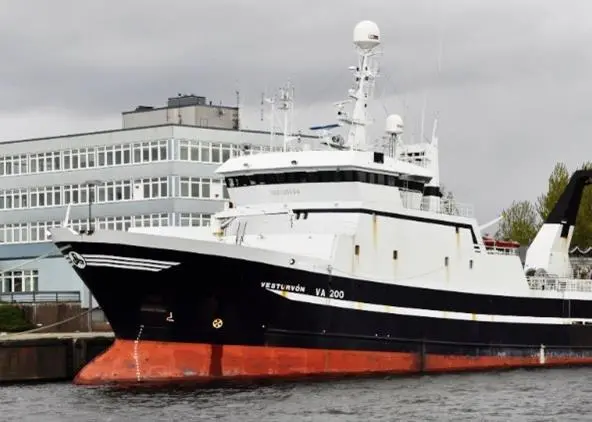
The members met with Joao Aguiar Machado, DG MARE’s director general on 9 March 2016 in Brussels.
Javier Garat, Europêche’s president, warned: “If we include non-EU waters in the scope, the EU would still continue to import deep sea fish products caught by third countries not under the ban, which would be discriminatory and inconsistent with what the EU is trying to promote.”
“Similarly, it would be perfectly legal for an EU consumer to continue to buy an imported fish product caught by a deep-sea vessel from a third country.”
Europêche argued that the Commission’s proposal would contradict the policy that the EU has followed for ten years internationally that provides no fishing ban below 800m.
RFMO measures are already in place to minimise the impacts of bottom-fishing on vulnerable marine ecosystems and these are would be under threat and undermined by the restrictions.
The depth ban would stop fishing activities in many areas that do not have vulnerable ecosystems and could increase fishing pressure in other areas through the displacement of vessels into less fished areas.
Mr Garat added: “Non-EU vessels in those waters would have the opportunity to increase their pressure on deep sea stocks, leading to increased pressure outside of the EU’s control.”
He concluded: “The EU has catastrophically failed in trying to export their stringent measures to RFMOs where other countries do not accept them and prefer more workable, rational legislation.”
Europêche also believes that the proposed ban of 800m is an ‘arbitrary figure’, as it argues it has no scientific basis and it would be ‘irresponsible’ to base complex fisheries legislation on anything but sound science.
Related Articles
 FISHERIES
 FISHERIES
 WORLD FISHING EVENTS