



European Seabird Task Force launched
Fondation SEGRE and BirdLife Europe are launching the European Seabird Task Force to tackle the problem of accidental seabird bycatch.
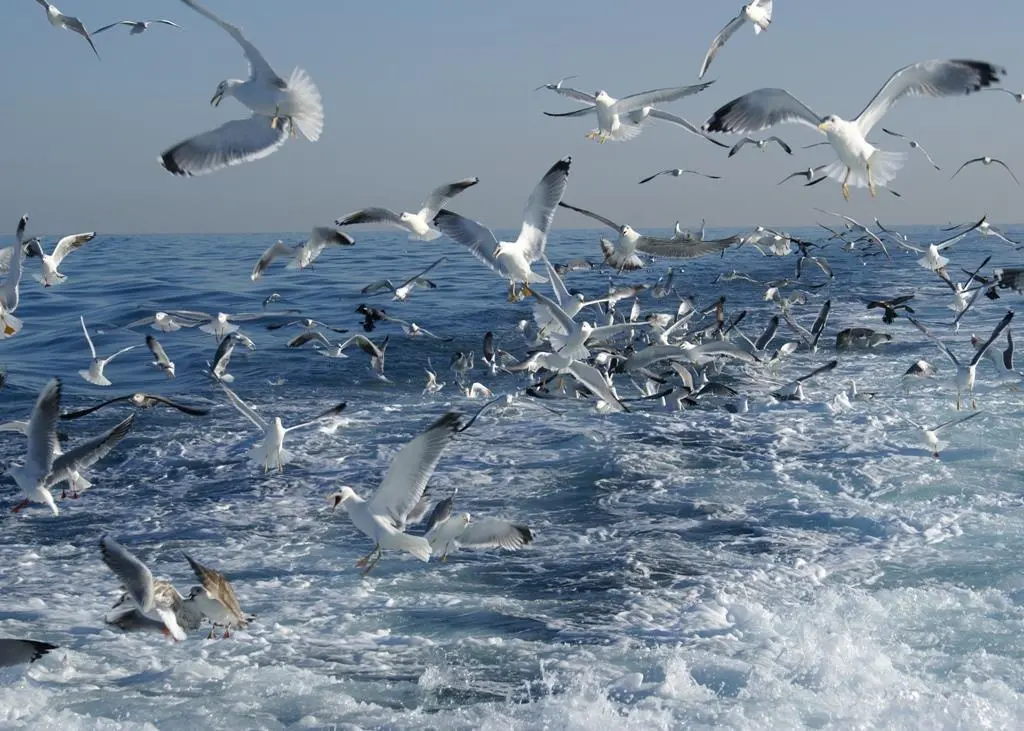
The Albatross Task Force has been extremely successful in other parts of the world in collaborating with fishermen on seabird bycatch, and the organisations hope to follow that success in Europe. With an estimated 200,000 seabirds are accidentally killed every year during fishing activities, seabird bycatch is a critical environmental issue in Europe.
“The European Seabird Task Force, a team of trained experts from BirdLife’s National Partners in Spain (SEO/BirdLife) and Lithuania (LOD), will spend the next two years quantifying the levels of seabird bycatch off the Spanish Mediterranean coast and in the inshore waters of Lithuania in the Baltic Sea and testing mitigation measures that can be adopted by fishermen at minimum costs”, said Marguerite Tarzia, BirdLife’s Seabird Task Force coordinator.
In the Mediterranean, the small, artisanal longline fisheries overlap with many of the feeding grounds of the Critically Endangered Balearic Shearwater. The Balearic Shearwater and other seabird species are known to be caught in this fishery. From its work in other longline fisheries around the world, BirdLife has developed mitigation techniques and best practice to effectively reduce seabird bycatch in longlines. The Task Force will be working with the artisanal fishing fleet onboard their vessels, to understand the extent of the problem and determine the most appropriate and effective solutions.
In Lithuania, the artisanal gillnet fishery targeting Atlantic cod coincides with hundreds of thousands of sea ducks visiting the country’s waters in spring and autumn. Sea ducks, such as the Long-tailed Duck and the Endangered Velvet Scoter dive for their food at the bottom of the sea, and can easily get caught in these nets as they forage. Unlike in other fishing gear, best practice does not currently exist to reduce seabird bycatch in gillnets. In Lithuania the Task Force will be working with gillnet fishermen to develop innovative solutions to this problem.
Related Articles
 FISHERIES
 FISHERIES
 WORLD FISHING EVENTS