



EU-GB protocol negotiations halted
Negotiations to discuss a protocol that would allow around 50 EU vessels to continue fishing important species in Guinea-Bissau’s (GB) waters have been put on hold.
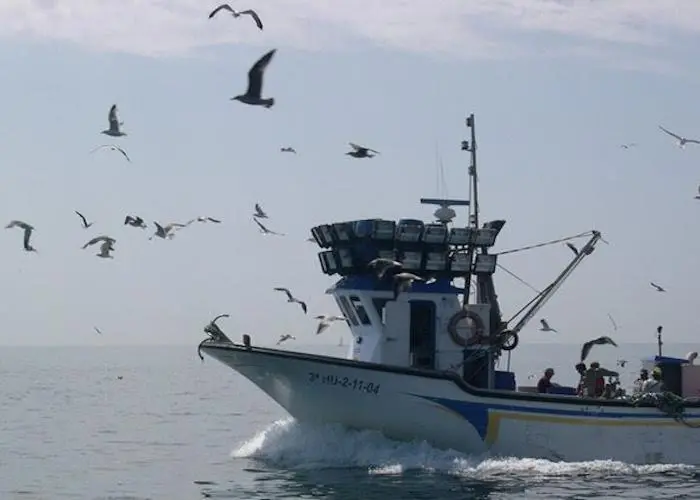
Officials from the EU and Guinea-Bissau (GB) met in Brussels to discuss the terms and conditions of the protocol, which would allow the fishing of species such as tuna, cephalopods, horse mackerel on GB’s coastline and implement the current sustainable fisheries partnership agreement (SFPA), but proceedings were halted, said Europêche.
The industry body stated that this was due to disproportionate economic and technical conditions proposed by GB’s authorities, reporting that the fishing vessel owners represented by Europêche “regret these developments and hope that negotiations can resume and lead to a realistic agreement beneficial for both parties in the near future.”
Javier Garat, president of Europêche, declared: “Our fishing vessel owners are willing to continue operating in GB waters under the most transparent fisheries agreement in the world. However, despite the European Commission efforts to reach a mutually-beneficial agreement, the conditions offered by GB’s authorities are far from being realistic, not based on facts and technically and economically unviable. Under these terms, the EU fishing sector would simply refuse to continue fishing in GB waters. Nevertheless, our operators trust that in the next round of negotiations the positions can converge in order to achieve a sustainable and good value for money agreement for both the EU and GB.”
The current multi-species fisheries protocol signed between the EU and GB will expire on 23 November 2017. This agreement includes a financial contribution of €9.2m per year (including €3m per year to support the fisheries sector), as well as an increased contribution to be paid by fishing vessel owners.
Europêche stated that the current agreement, apart from the economic contribution from both the EU and European operators, has created more than 150 direct jobs for local fishermen and 500 local indirect jobs that will be lost unless a new deal is struck. It added that many EU vessels depend on access to GB’s waters for their livelihoods.
It stressed that the agreement with GB benefits fisheries management in the area and contributes to raising the environmental and social standards to achieve sustainable fisheries.
In addition, it said the protocol allows for the development of scientific research, surveillance, artisanal fisheries, training and higher quality products.
Related Articles
 FISHERIES
 FISHERIES
 WORLD FISHING EVENTS