


EU Commission lifts yellow cards for Curaçao and Solomon Islands
The European Commission has lifted its yellow cards for Curaçao and Solomon Islands, recognising the significant progress both countries have made in opposing IUU fishing.
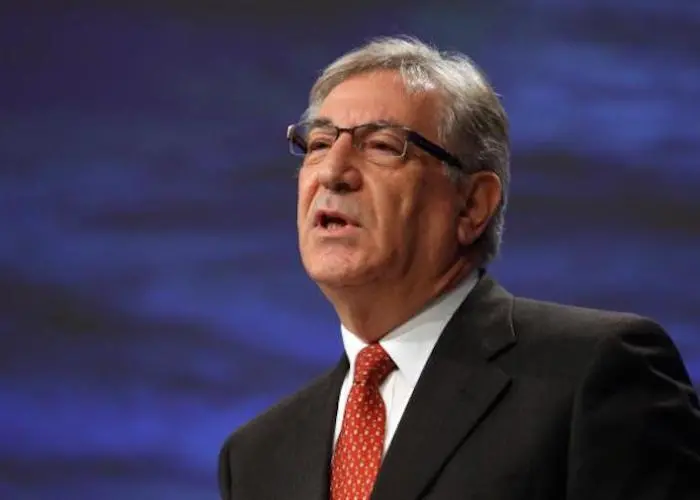
“This is a good day for Curaçao and the Solomon Islands, and good news for sustainable fisheries around the globe,” said EU Commissioner for Environment, Maritime Affairs and Fisheries, Karmenu Vella, commenting while attending the Economist’s World Ocean Summit in Bali.
“Countries worldwide have a shared duty to fight illegal fishing, protect law-abiding fishermen, and keep our oceans healthy. I encourage others to join the European Union in this fight and contribute to better ocean governance.”
Under the IUU Regulation, the European Commission warned Curaçao in November 2013 and Solomon Islands in December 2014 that they were not doing enough against IUU fishing. Since then, both countries have embarked on a series of reforms to bring their fisheries legal and administrative frameworks in line with international law, and are now equipped to tackle illegal fishing effectively. Working closely with the European Commission, they have strengthened their sanctioning system, and have improved monitoring and control of their fleets.
The IUU Regulation is the EU’s main tool in the fight against illegal fishing. It encourages countries to work with the European Commission to improve their fisheries governance and retain access to the EU’s market. The EU is the world’s biggest importer of fisheries products.
With the decision today, Curaçao and Solomon Islands join the growing list of countries (Sri Lanka, Ghana, Guinea, Papua New Guinea, Korea, the Philippines, Fiji, Belize, Panama, Togo and Vanuatu) that have reformed their fisheries governance systems following a warning by the EU.
Related Articles
 FISHERIES
 FISHERIES
 WORLD FISHING EVENTS